Home
Home
12 Proven Signs That Show How Do You Know if Your Dog Loves U
Determining the depth of a canine’s affection used to be a matter of speculation for pet owners, but recent advancements in neurobiology and animal behavior science have provided concrete evidence. Domesticated dogs have undergone significant evolutionary changes over thousands of years, specifically developing physiological mechanisms to bond with humans. While they cannot express devotion through words, their bodies and behaviors provide a continuous stream of data for those who know how to interpret the signals.
The Neurobiology of the Canine-Human Bond
Scientific research utilizing Functional Magnetic Resonance Imaging (fMRI) has revealed that when dogs are exposed to the scent of their primary human, the caudate nucleus—the part of the brain associated with positive expectations and reward—is significantly activated. This reaction is often stronger than the response to food or the scent of other dogs. This biological feedback loop is driven largely by oxytocin, often referred to as the "love hormone."
Studies indicate that mutual gazing between a dog and its owner triggers an oxytocin spike in both species, similar to the bonding process between a mother and her infant. When considering how do you know if your dog loves u, it is helpful to look beyond anthropomorphic assumptions and focus on these evolutionary adaptations that prioritize human connection.
1. Sustained and Soft Eye Contact
In the wild, prolonged eye contact is often interpreted as a challenge or a threat. However, domesticated dogs have adapted this behavior to signify trust and affection. If a dog looks at you with relaxed, "soft" eyes—meaning their pupils aren't dilated and their brow is smooth—they are actively seeking a social connection. This behavior is a deliberate attempt to strengthen the bond and is one of the most reliable indicators of emotional closeness.
2. The "Helicopter" Tail Wag
Tail wagging is a complex language, and not every wag indicates happiness. However, a specific type of wag—often called the "helicopter wag" or a full-body wiggle—is almost exclusively reserved for people the dog loves. This involves the tail moving in a circular motion, often accompanied by the hindquarters swaying. Research into canine lateralization also suggests that dogs tend to wag their tails more to the right side of their bodies when they are feeling positive emotions toward a familiar person, as the left hemisphere of the brain (which controls the right side of the body) processes approach-related behaviors.
3. The Lean as a Sign of Physical Grounding
When a dog walks up to you and leans their full weight against your legs, it is not merely a request for treats. In canine psychology, leaning is a sign of physical grounding and a request for security. By pressing their body against yours, the dog is seeking comfort and expressing complete trust. This behavior is particularly common in larger breeds but is a universal sign of affection across the species. It signifies that the dog views you as their "safe harbor."
4. Following You Without Demands
Known as "velcro dogs," many canines have a habit of following their owners from room to room. While this can sometimes be a sign of separation anxiety, the key difference lies in the dog's demeanor. If the dog follows you calmly, settles down nearby while you work, or simply wants to be in the same line of sight, it is a display of social bonding. They aren't necessarily asking for interaction; they simply find your presence intrinsically rewarding.
5. The Presentation of "Priceless" Gifts
If your dog brings you their favorite, often slobbery, toy, it is a profound gesture of trust. They aren't always asking for a game of fetch. Sometimes, they are offering you their most prized possession as a way of sharing their joy. By presenting a toy to you, the dog is acknowledging you as the leader of their social group and someone worthy of their most valued resources.
6. Sleeping in Your Proximity
Sleep is the most vulnerable state for any animal. In the wild, dogs sleep in packs to protect one another. When a dog chooses to sleep in your bed, on your feet, or even just in the same room, they are signaling that they feel entirely safe in your presence. Some dogs prefer to sleep with their backs against you; this is a tactical position showing they "have your back" and trust you to have theirs.
7. Mirroring Your Emotions and Yawns
Contagious yawning is a sign of empathy in humans, and studies have shown that it crosses the species barrier between dogs and their owners. Dogs are more likely to yawn when they see their owner yawn compared to a stranger. This suggests a high level of emotional synchronization. Furthermore, if you are feeling stressed or sad and your dog becomes quiet and seeks physical contact, they are demonstrating their ability to mirror and respond to your emotional state.
8. The Canine Smile and Eyebrow Lift
Facial expressions in dogs have evolved specifically to communicate with humans. Scientists have identified a specific muscle, the levator anguli oculi medialis, which allows dogs to raise their inner eyebrows to create "puppy dog eyes." This isn't just a manipulation tactic; it is an evolutionary trait developed to trigger a nurturing response. Additionally, a "canine smile"—where the lips are relaxed, the mouth is slightly open, and the tongue is lolling—is a clear indicator of a relaxed and happy animal in the company of someone they love.
9. Enthusiastic but Controlled Greetings
How a dog reacts when you return home is a major indicator of their affection. While frantic jumping can be a sign of poor training or anxiety, an enthusiastic greeting characterized by a wagging tail, vocalization, and bringing you a toy shows genuine joy. The intensity of the greeting often correlates with the strength of the bond, as the dog experiences a significant drop in cortisol (stress hormone) upon your return.
10. Checking in During Walks
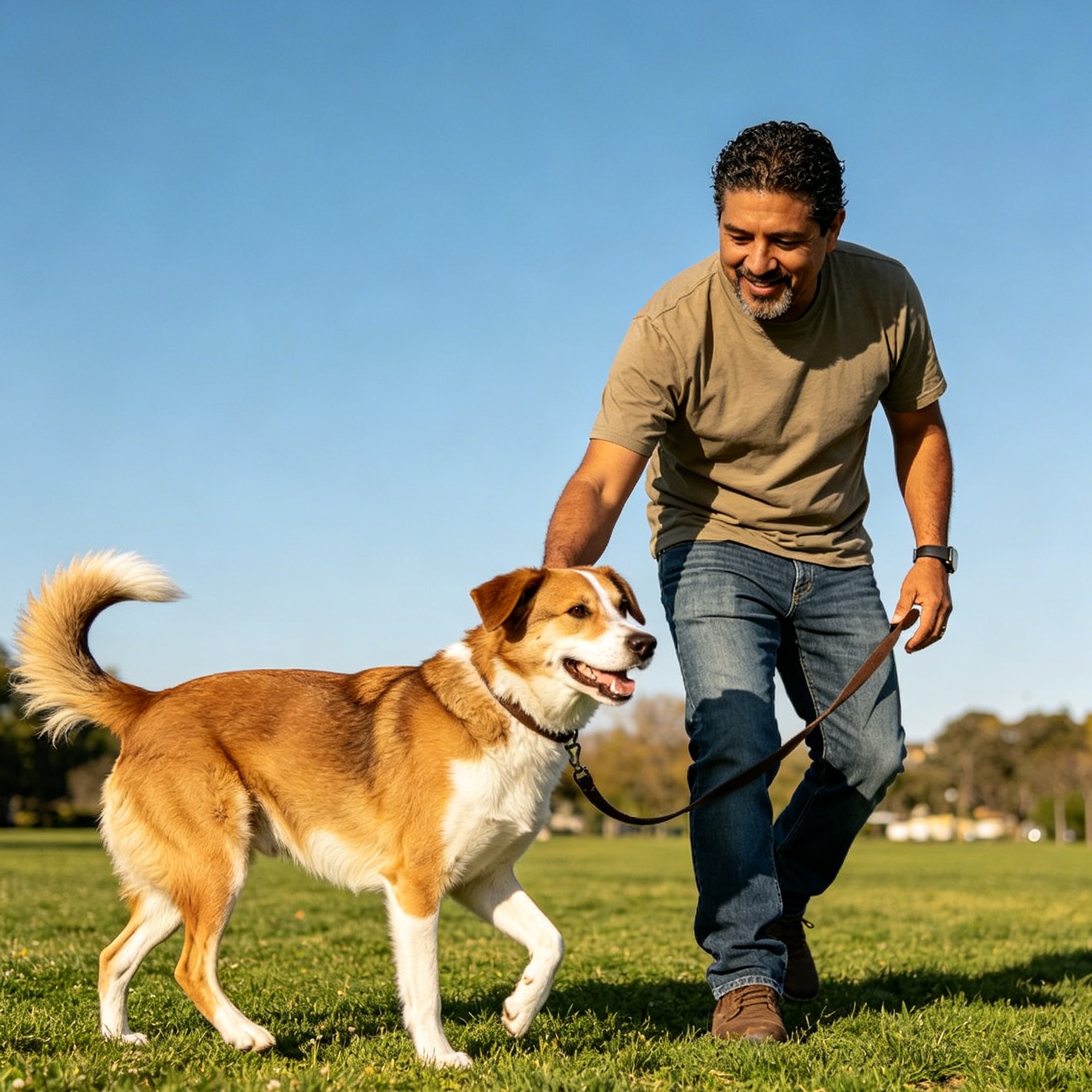
When you are outdoors in an environment full of distractions, a dog that frequently stops to look back at you or stays within a certain radius is demonstrating their attachment. This "checking in" behavior shows that despite the exciting smells and sights, you remain their primary point of reference. They are prioritizing their connection with you over the stimulation of the environment.
11. Allowing or Seeking Belly Rubs
Exposing the belly is the ultimate sign of submission and trust in the animal kingdom. The stomach is the most vulnerable part of a dog's body, housing all vital organs. If a dog rolls over to show you their belly, they are placing their life in your hands. Doing this voluntarily indicates they have zero fear of you and feel a deep sense of security and love.
12. Post-Meal Cuddling
For a dog, food is a primary motivator. Most dogs are highly focused during mealtime. However, what they do immediately after eating is telling. If your dog finishes their dinner and immediately comes to find you for a cuddle, it shows that their relationship with you is a higher priority than the hunt for more food. They have satisfied their biological needs and are now looking to satisfy their social and emotional needs.
Distinguishing Love from Anxiety
It is essential for owners to distinguish between a healthy bond and hyper-attachment. While following you around is often a sign of love, if a dog becomes destructive, vocalizes excessively, or shows signs of distress the moment you leave, they may be suffering from separation anxiety. Love is characterized by a sense of security; a dog who loves you should feel confident and safe even when you are not in their immediate sight, knowing that you will return.
How to Reciprocate in "Dog Language"
Understanding how do you know if your dog loves u is only the first half of the equation. To strengthen the bond, you must communicate back in ways they understand. While humans use words, dogs respond to consistency, routine, and calm physical touch.
- Quality Interaction: Focus on activities the dog enjoys, such as scent work, long walks, or interactive play. This reinforces the idea that you are the source of all things positive.
- Clear Communication: Use consistent hand signals and vocal cues. A dog feels more secure when they understand exactly what is expected of them.
- Respect Boundaries: Not all dogs show love through cuddling. Some express it by simply being in the same room. Respecting your dog's personal space and individual "love language" actually builds deeper trust over time.
The Evolution of the Household Pack
As we look at canine behavior in 2026, the consensus among experts is that the relationship has shifted from one of utility to one of deep, mutual emotional support. Dogs are remarkably sensitive to human heart rates and pheromones, often sensing our moods before we are even fully aware of them ourselves. This high level of attunement is the result of millennia of co-evolution.
Every dog is an individual. A reserved Greyhound may show love differently than an exuberant Golden Retriever. The key to knowing if your dog loves you lies in the consistency of their behavior and the level of trust they exhibit in their most vulnerable moments. If your dog looks to you for guidance, finds comfort in your scent, and seeks out your presence when they are relaxed, the bond you share is undeniably strong.
Ultimately, the connection between a human and a dog is one of the few truly interspecies friendships that is supported by both biological evidence and emotional experience. By paying attention to the subtle shifts in their body language and honoring their unique personality, you can foster a relationship based on mutual respect and lasting affection.
-
Topic: How To Tell If Your Dog Loves You: 10 Signs to Look For | PetMDhttps://www.petmd.com/dog/general-health/how-to-tell-if-your-dog-loves-you?
-
Topic: Does My Dog Love Me? 7 Signs That Your Pup’s a Fan | Chewyhttps://www.chewy.com/education/dog/training-and-behavior/does-my-dog-love-me-signs
-
Topic: 14 Signs Your Dog Loves Youhttps://www.cuteness.com/1691046/signs-your-dog-loves-you/