Home
Home
Find Instagram Profiles by Photo With FaceCheck.id Facial Search
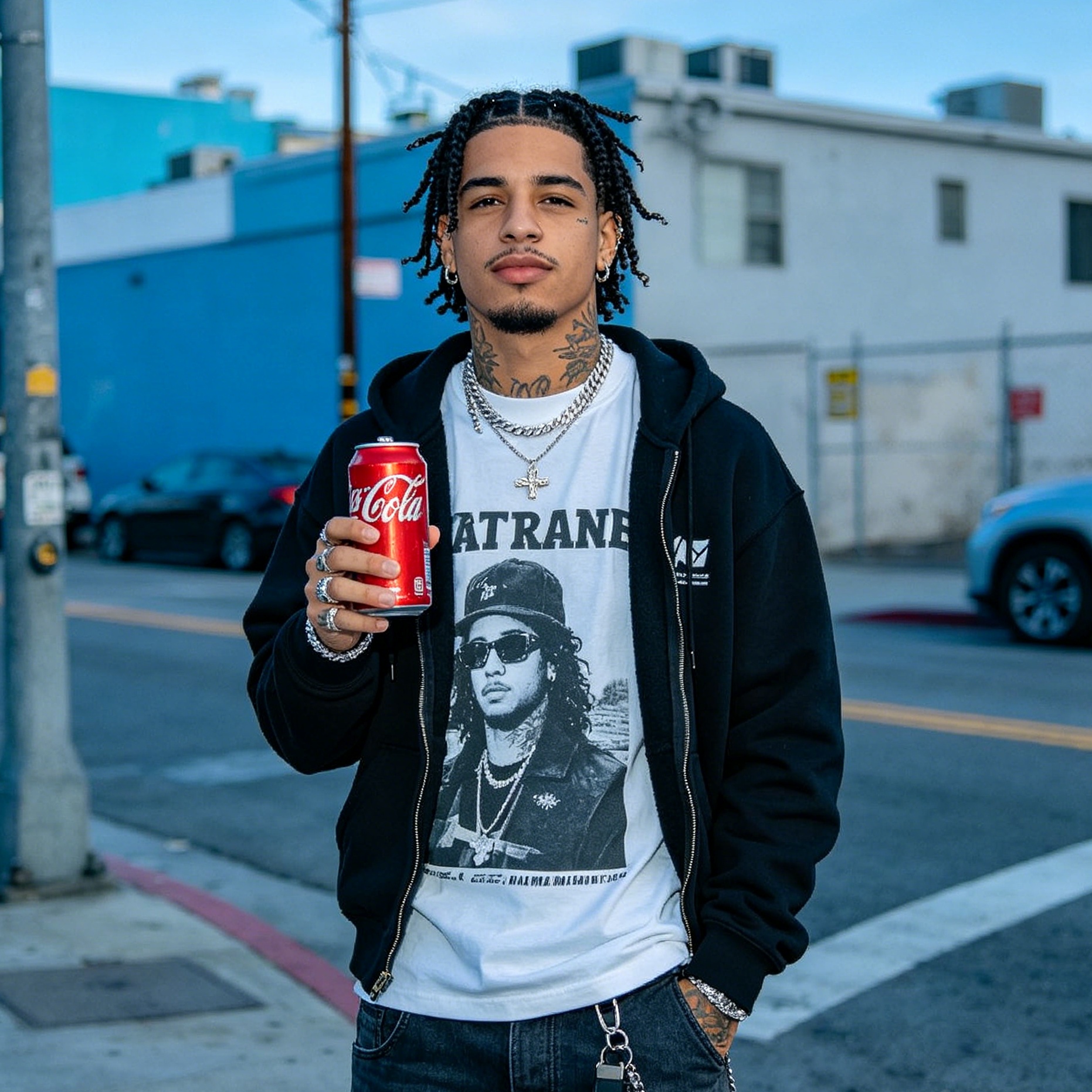
Finding a specific person on Instagram can often feel like searching for a needle in a digital haystack, especially when the only piece of information available is a stray photograph or a screenshot. Instagram’s internal search engine is primarily built around usernames, hashtags, and locations, leaving a significant gap for users who need to identify a profile based on visual data. This is where specialized facial recognition search engines like FaceCheck.id have become essential tools in the 2026 social media landscape. By leveraging advanced neural networks, these platforms allow users to bridge the gap between a physical face and a digital identity.
The Evolution of Visual Search on Instagram
For years, reverse image search was dominated by general-purpose engines that focused on metadata and pixel-matching. If you uploaded a photo of a sunset, you would find similar sunsets. However, these tools frequently struggled with human faces due to variations in lighting, angles, and the dynamic nature of facial expressions. In the current era, the technology has shifted toward biometric analysis. FaceCheck.id specializes in this niche, utilizing deep learning algorithms to identify unique facial landmarks rather than just matching pixels.
On Instagram, where over a billion users share billions of photos, the challenge of authenticity is more pressing than ever. The rise of AI-generated avatars and sophisticated "catfishing" schemes means that a username no longer guarantees the identity of the person behind the screen. Using a dedicated facial search tool provides a layer of verification that text-based searches simply cannot offer. It transforms the way we interact with social discovery, moving from "who they say they are" to "who they actually appear to be" across the web.
How FaceCheck.id Processes Instagram Queries
When a photo is uploaded to FaceCheck.id, the system does not simply "look" at the picture. It performs a complex series of mathematical operations. First, the algorithm identifies the presence of a human face within the frame. Once detected, it maps out dozens of key facial points—the distance between the eyes, the shape of the jawline, the contour of the nose, and the positioning of the cheekbones.
These points are converted into a digital signature, or a vector. This vector is then compared against a massive database of indexed images from public social media profiles, including Instagram. Because the system focuses on the geometry of the face, it can often find matches even if the person has changed their hair color, aged slightly, or is wearing glasses. This level of precision is why it has become the preferred choice for users trying to track down profiles without knowing a single letter of a username.
Step-by-Step: Locating a Profile
The process of using FaceCheck.id for an Instagram search is designed to be intuitive, yet it requires high-quality input for the best results.
-
Image Preparation: Start with the clearest possible image. If you have a screenshot from a video or a group photo, it is beneficial to crop it so that the target person’s face occupies the majority of the frame. High resolution is your best ally; the more pixels the algorithm has to work with, the more accurate the biometric mapping will be.
-
Uploading and Scanning: Once the image is uploaded, the engine begins its search. In 2026, processing speeds have reached a point where millions of profiles can be scanned in seconds. During this phase, the system is filtering through public Instagram posts, profile pictures, and tagged photos that have been indexed by the engine.
-
Analyzing the Results: The search results usually present a series of thumbnails with "confidence scores." These scores indicate how closely the facial signature of the result matches the uploaded photo. It is common to see multiple results if the person has multiple accounts or if there are lookalikes.
-
Navigating to Instagram: Upon finding a likely match, clicking the result typically provides a link to the indexed source. If the match is correct, it leads directly to the Instagram profile, allowing for further verification of the user's bio, posts, and followers.
Use Cases: Why This Technology Matters
The ability to search Instagram by face serves several critical functions in modern digital life. While it is often associated with simple curiosity, its practical applications are much broader.
Verifying Digital Authenticity
Digital safety is a primary driver for facial search tools. With the prevalence of romance scams and fake professional profiles, verifying that a person’s Instagram photo hasn't been stolen from another source is a vital security step. If a search reveals that the same face is associated with five different names across various platforms, it is a clear red flag for fraudulent activity.
Reconnecting with Lost Contacts
In professional networking or personal life, people often remember faces more vividly than names. You might have a photo from a conference or a childhood event but no record of the person's current social media presence. FaceCheck.id allows for these "lost connections" to be rekindled by finding the modern digital footprint of someone from your past.
Influencer and Brand Protection
For brands and marketing agencies, ensuring that an influencer is who they claim to be—and isn't being impersonated by a fan account—is essential for protecting campaign integrity. Facial search can quickly distinguish between the official verified profile and a myriad of unofficial or malicious duplicates.
Privacy and Ethical Boundaries in 2026
As with any powerful technology, the use of facial recognition for social media searching comes with significant ethical responsibilities. It is important to distinguish between public data and private life. FaceCheck.id and similar tools primarily index data that is already public. If an Instagram user has set their profile to "Private," their posts are generally shielded from these search engines. This preserves a level of user autonomy over who can see their content.
However, the concept of "security through obscurity" is fading. Users must be aware that any photo posted to a public forum is likely being indexed by AI. From a searcher's perspective, the tool should be used with respect for personal boundaries. Harassment and stalking remain serious offenses, and the misuse of facial recognition tools to infringe upon someone’s safety is a violation of both platform terms of service and, in many jurisdictions, the law.
In 2026, privacy regulations like the updated GDPR and various regional biometric privacy acts have placed stricter controls on how data is stored. Users of FaceCheck.id should look for features like "search history deletion" and data encryption to ensure that their own search activities remain confidential.
Limitations and Success Rates
No facial recognition system is infallible. Several factors can influence the success of an Instagram search via FaceCheck.id:
- Profile Privacy: As mentioned, if the target account is private, the engine may only be able to find their profile picture (if it was ever indexed while public) but not their hidden posts.
- Extreme Angles and Obscurations: While the AI is robust, heavy masks, large sunglasses, or extreme side-profiles can reduce the confidence score. The best results always come from "passport-style" shots where the person is looking directly at the camera.
- Age Progression: If the source photo is ten years old and the person’s Instagram features only current photos, the algorithm may struggle. Significant aging or major cosmetic surgery can alter the biometric markers enough to bypass a match.
- Shadow Accounts: Sometimes, a search might lead to a "fan page" or a "feature account" rather than the individual’s personal profile. It requires a bit of manual investigation to find the primary account from these secondary sources.
Comparing FaceCheck.id to Traditional Search Engines
Why not just use Google or Bing? Traditional search engines are designed to index the entire web for information. Their image search components are broad but shallow. Google, for instance, has explicitly limited its facial recognition capabilities in its public search products to avoid controversy and comply with diverse global regulations.
Specialized tools like FaceCheck.id are built on a different philosophy. They are deep-vertical search engines. They don't care about the text on the page or the keywords associated with the image; they only care about the geometry of the face. This specialization allows them to maintain a database that is more current and more relevant for social media discovery than a general-purpose crawler could ever manage.
Optimization Tips for Better Results
To maximize the utility of FaceCheck.id for Instagram searches, consider these technical adjustments:
- Lighting Correction: Before uploading, use a basic photo editor to adjust the brightness and contrast. If the face is in shadow, the algorithm might miss subtle features.
- Avoid Filters: Instagram is famous for filters that can distort facial proportions (e.g., slimming the face or enlarging the eyes). If possible, use a raw photo rather than one that has been heavily processed by social media filters.
- Multiple Attempts: If the first photo doesn't yield a result, try another one of the same person. Different lighting or a slightly different expression might trigger a match that the first one missed.
The Future of Social Media Identity
Looking ahead, the integration of facial search into our daily digital interactions seems inevitable. We are moving toward a "visual first" internet where the camera is the primary input device. Tools like FaceCheck.id are pioneering this transition, providing a necessary service for a world that is increasingly skeptical of digital-only identities.
However, the ultimate responsibility lies with the user. Using these tools as a means of verification and safe connection strengthens the social fabric of platforms like Instagram. It allows for a more transparent environment where users can trust their interactions. As we navigate the complexities of 2026, the balance between the convenience of finding someone by their face and the necessity of protecting individual privacy will continue to be a central theme in our digital evolution.
In summary, FaceCheck.id represents a powerful evolution in how we interact with the visual data of Instagram. By understanding the technology, respecting the ethical boundaries, and following best practices for image quality, users can effectively navigate the vast world of social media to find the connections they are looking for with unprecedented accuracy.
-
Topic: Tutorial: Reverse Image Search for Instagramhttps://facecheck.id/Face-Search-Reverse-Image-Search-for-Instagram
-
Topic: FaceCheck ID Instagram Guide: Protect Accounts with Facial Recognitionhttps://scientificasia.net/facecheck-id-instagram/
-
Topic: FaceCheck ID - Image Search - Downloadhttps://facecheck-id-image-search.updatestar.com/