Home
Home
The Real Message of the Halftime Show and Why It Felt Like a Cultural Revolution
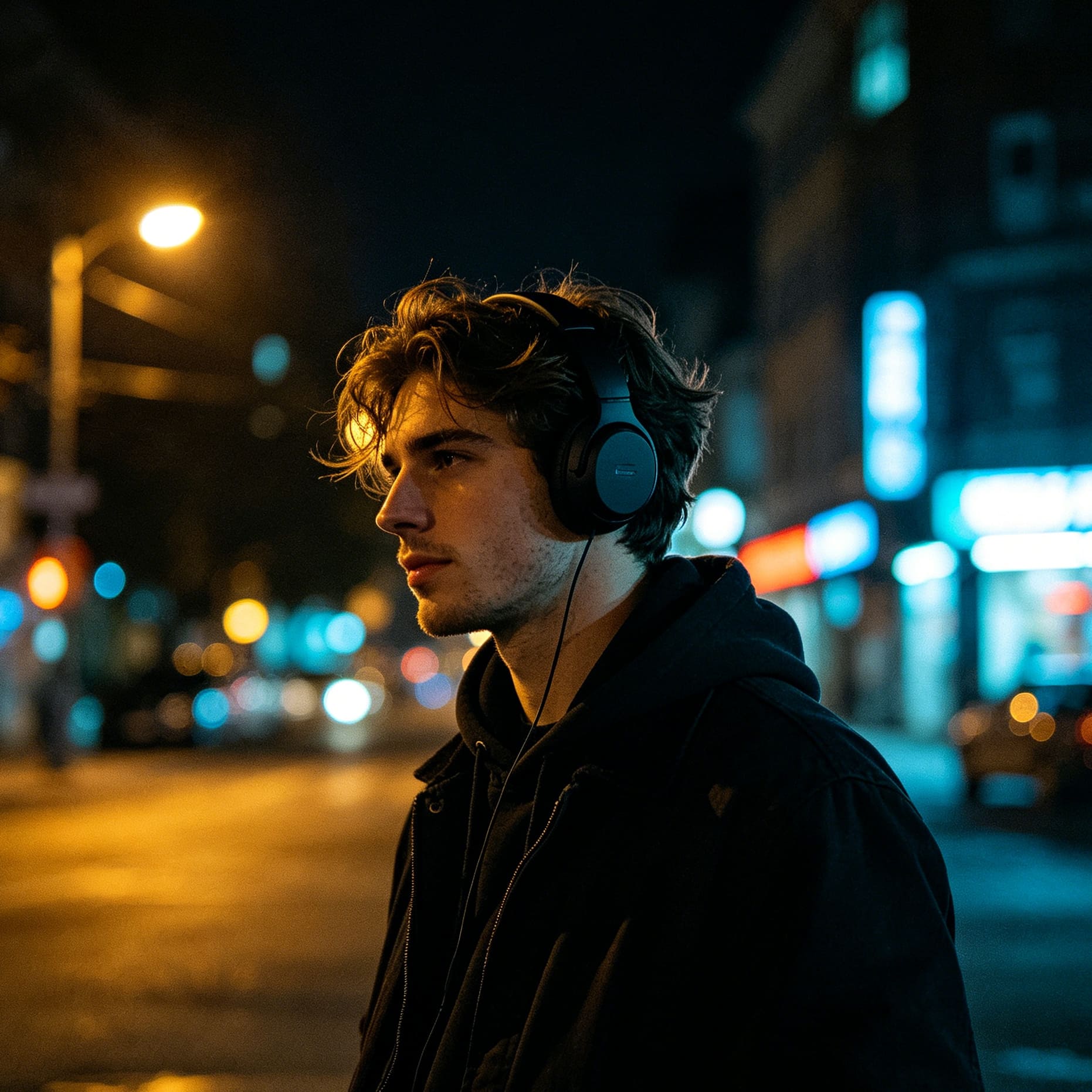
The stadium lights at Levi’s Stadium may have dimmed weeks ago, but the conversation surrounding the Super Bowl LX halftime show hasn't quieted down. When the NFL announced Bad Bunny as the headliner, the world expected a party. What they received instead was a sophisticated, high-stakes narrative about identity, geography, and the political soul of the Americas. Deciphering the message of the halftime show requires looking past the pyrotechnics and recognizing that this was the most overtly political use of the world's largest stage in modern history.
A linguistic manifesto performed in Spanish
For the first time in sixty years, the primary language of the Super Bowl halftime show was not English. This wasn't merely a stylistic choice; it was the core message. By performing almost entirely in Spanish, Bad Bunny delivered a powerful statement on the refusal to assimilate. In a country where "English-only" rhetoric frequently dominates political discourse, the show asserted that the Spanish language is an integral, permanent part of the American landscape.
This linguistic dominance signaled a shift in power dynamics. It told the 128 million viewers that the culture of the Caribbean and Latin America doesn't need to be translated or diluted to be valid in the heart of U.S. sports culture. The message was clear: inclusion does not require the erasure of one's heritage. The presence of Los Pleneros de la Cresta, bringing the traditional sounds of Puerto Rican plena to a global audience, reinforced this commitment to authenticity over commercial accessibility.
Reclaiming the definition of "America"
One of the most profound visual messages of the performance was the intentional remapping of what it means to be "American." Throughout the set, the production utilized visuals that expanded the term "America" beyond the borders of the United States to encompass the entire continent. Critics and analysts have noted that the show functioned as a lesson in geography and history, reminding the audience that the "American Dream" belongs to the south as much as it does to the north.
This recontextualization served as a direct response to the political climate. By highlighting pan-Latino unity, the show suggested that cultural ties are stronger than bureaucratic borders. When Lady Gaga joined the stage, her presence wasn't just a pop-culture moment; it was a bridge between the traditional Anglo-American superstar model and the new global Latino hegemony. The message here was about a shared future—one where the definition of a "national" event reflects a hemispheric reality.
Puerto Rican identity and the anti-colonial undertone
To understand the message of the halftime show, one must understand the specific political tension surrounding Puerto Rico. Bad Bunny has never been shy about his views on the island’s status, and the Super Bowl LX stage became his most visible platform for Puerto Rican affirmation. The performance leaned heavily into the archipelago's history, subtly addressing the complexities of its relationship with the U.S. mainland.
This wasn't just about pride; it was about resistance. In the months leading up to the game, news of potential ICE raids and political friction regarding the Latino community had created a charged atmosphere. The show’s defiance was found in its joy. By celebrating Puerto Rican culture so vibrantly at a moment when that community felt under scrutiny, the performance acted as a form of cultural protection. The message was one of resilience: "We are here, we are vibrant, and we cannot be ignored."
The evolution of the halftime message: From Lamar to Bad Bunny
Comparing this show to Kendrick Lamar’s performance in Super Bowl LIX reveals a fascinating evolution in how artists are using this platform. While Lamar focused on the internal systemic struggles within the United States—addressing civil rights, historical mistreatment, and the broken promises of the American system (symbolized by the torn flag and the "40 acres and a mule" references)—Bad Bunny shifted the focus outward and toward the concept of the "borderless" cultural identity.
Lamar’s message was a critique of the American system from within; Bad Bunny’s was a challenge to the system from the perspective of the "other." Both used the stage to highlight the mistreatment of marginalized groups, but the LX show added a layer of geopolitical urgency. The message of the halftime show has transitioned from a plea for domestic reform to a bold assertion of global cultural presence.
Inclusion as a disruptive force
The inclusion of Ricky Martin was another layer of the show’s complex message. As the first openly gay male to perform during a Super Bowl halftime set, Martin’s presence added a dimension of intersectional identity. It messaged that the modern Latino identity is not a monolith—it is queer, it is diverse, and it is unapologetic.
The production’s tone was intentionally celebratory but possessed an underlying grit. The fashion choices, the choreography, and even the setlist were designed to provoke a sense of "The Great American Game" being reclaimed by the people who have historically been sidelined by it. This disruption is the new standard for the Super Bowl; the halftime show is no longer a break from the action, but the primary site of cultural conflict and resolution.
The NFL’s strategic role and the commercial message
There is also a pragmatic, commercial message behind the artistry. The NFL’s "Por La Cultura" strategy isn't just about social justice; it’s about survival in a changing demographic landscape. With reports suggesting that Latinos will account for a massive portion of sports market growth in the coming decade, the league’s decision to hand the keys to Bad Bunny was a recognition of economic reality.
The message to the fans was: "We see you, and you are our future." However, the friction between this corporate message and the artist’s political message created a fascinating tension. While the NFL sought to grow its fanbase, Bad Bunny sought to empower that fanbase with a message of political autonomy and cultural pride. This duality is what made the show so resonant; it was a rare moment where corporate interests and radical artistic expression met on a 100-yard field.
Critical and political reception
The polarized response to the show only confirmed that its message hit home. Conservative commentators criticized the selection, citing the artist’s past opposition to certain government agencies and political figures. The presence of ICE agents at the stadium, as announced by some officials prior to the event, underscored the very themes of surveillance and resistance that the show addressed.
Yet, for the 4.8 million viewers on Telemundo and the millions more watching globally, the message was one of validation. Critics praised the production for its ability to balance high-concept social commentary with world-class entertainment. It proved that a performer doesn't have to choose between making a hit record and making a point.
The legacy of the Levi’s Stadium performance
What was the final message of the halftime show? It was that the cultural center of gravity has shifted. The Super Bowl LX performance signaled the end of the era where the halftime show was expected to be a safe, middle-of-the-road pop medley. In its place is a new era of the "performance-as-manifesto."
We are seeing a trend where artists use this massive reach to speak directly to their communities, often bypassing the traditional gatekeepers of American media. The message of the halftime show was a reminder that culture is not something that is granted by a league or a network—it is something that is lived, spoken, and sung by the people. As we move further into 2026, the reverberations of Bad Bunny’s set continue to influence how we view the intersection of sports, politics, and heritage in a truly global America.
-
Topic: Super Bowl LX halftime show - Wikipediahttps://en.wikipedia.org/wiki/Super_Bowl_LX_halftime_show
-
Topic: Super Bowl LIX halftime show - Wikipediahttps://en.wikipedia.org/wiki/Super_Bowl_59_halftime_show
-
Topic: The Superbowl Halftime Show – The HyBreezehttps://hybreezebbh.com/4332/entertainment/the-superbowl-halftime-show/