Home
Home
Viscose: The Truth About That Silky Fabric in Your Closet
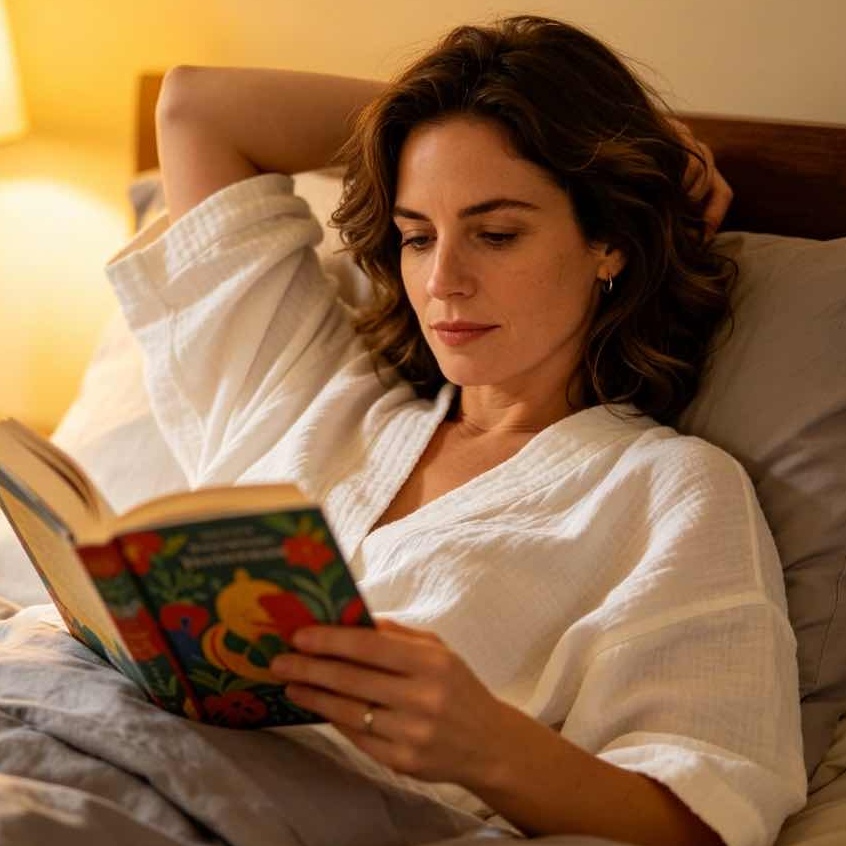
Viscose occupies a unique position in the textile hierarchy, sitting precisely at the intersection of natural and synthetic worlds. Often labeled as rayon in North America, it is neither a fully natural fiber like cotton nor a fully synthetic one like polyester. Instead, it falls into the category of regenerated cellulose fibers—a material derived from nature but brought to life through sophisticated chemical engineering. As of 2026, viscose has become a cornerstone of both high-fashion runways and everyday performance wear, valued for its ability to mimic the luxury of silk at a fraction of the cost.
The fundamental nature of viscose
At its core, viscose is composed of cellulose, the structural component of primary cell walls in green plants. While the source material is natural—typically wood pulp from eucalyptus, beech, pine, or even bamboo—the final thread is the result of a complex transformation. This process breaks down the plant’s rigid structure into a viscous, honey-like liquid (hence the name "viscose") before extruding it into fine filaments.
The molecular structure of viscose is identical to that of cotton, yet its physical properties differ significantly due to the arrangement of these molecules during the regeneration process. This allows manufacturers to manipulate the fiber's strength, luster, and absorbency, making it one of the most versatile tools in a textile designer's arsenal.
The technical journey from wood to wardrobe
Understanding viscose requires a look at the chemical sequence that defines its production. The traditional "viscose process" is a multi-stage operation that remains the most prevalent method globally, despite the emergence of newer alternatives like Lyocell.
1. Steeping and Pressing
The journey begins with dissolving wood pulp, which is treated with sodium hydroxide (caustic soda). This converts the cellulose into alkali cellulose. The mixture is then pressed to remove excess liquid, resulting in a consistent material ready for further reaction.
2. Shredding and Aging
The alkali cellulose is shredded into soft "crumbs." These crumbs are allowed to age in contact with oxygen, which reduces the degree of polymerization in the cellulose chains. This aging process is critical because it determines the final viscosity of the solution and the eventual strength of the fiber.
3. Xanthation
This is the most chemically intensive stage. The aged crumbs are mixed with carbon disulfide in a controlled environment. A chemical reaction occurs, transforming the cellulose into sodium cellulose xanthate. At this point, the material turns a bright orange color.
4. Dissolving and Ripening
The xanthate is dissolved in more caustic soda, creating the viscous solution that gives the fiber its name. This liquid is filtered to remove impurities and degassed to eliminate air bubbles that could cause breaks during spinning. It then sits to "ripen," a process where the chemical structure stabilizes.
5. Spinning and Regeneration
The ripened solution is forced through a spinneret—a metal disk with hundreds of microscopic holes—into a bath of sulfuric acid. As the solution hits the acid, it coagulates and reverts (regenerates) into solid cellulose filaments. These filaments are then stretched, washed, and dried to become the yarn used in weaving and knitting.
Performance characteristics and textile aesthetics
Viscose is frequently referred to as "artificial silk," and for good reason. Its aesthetic and tactile qualities are remarkably similar to protein-based fibers, but it offers performance benefits that are distinctively its own.
Drape and Fluidity
One of the most prized attributes of viscose is its exceptional drape. Unlike the crispness of linen or the structural rigidity of heavy cotton, viscose flows with the movement of the body. This makes it the preferred choice for bias-cut dresses, scarves, and lightweight blouses that require a liquid-like silhouette.
Moisture Absorption and Breathability
Viscose is highly hydrophilic, meaning it absorbs moisture more effectively than cotton. This contributes to its high level of comfort in warm climates; it wicks perspiration away from the skin and allows it to evaporate. However, unlike synthetic fibers that may feel "plastic" against the skin, viscose remains breathable, facilitating airflow through the fabric structure.
Color Brilliance
The fiber’s affinity for dyes is superior to most natural fibers. Because the cellulose is regenerated, the dye can penetrate deep into the fiber core rather than just sitting on the surface. This results in vibrant, saturated colors and deep blacks that maintain their richness through multiple washes, provided the correct care is taken.
Softness and Hand-feel
Viscose fibers are naturally smooth and round, lacking the scales found on wool or the irregularities of raw cotton. This translates to a soft, non-irritating hand-feel that is gentle on sensitive skin. In 2026, innovations such as 3D viscose fiber—engineered with a helical crimp—have further enhanced this softness, providing additional loft and thermal insulation.
Comparing viscose with other dominant fibers
To understand the value proposition of viscose, it is helpful to compare it against its primary competitors in the textile market.
- Viscose vs. Cotton: While both are cellulosic, viscose is generally softer and has a better drape. However, cotton is significantly stronger when wet, whereas viscose loses about 30-50% of its strength when soaked, making it more prone to damage during aggressive laundering.
- Viscose vs. Silk: Viscose offers a similar luster and feel but is far more affordable. It is also vegan-friendly, as it does not involve the use of silkworms. However, silk has better natural temperature regulation and is generally more durable over decades.
- Viscose vs. Polyester: Polyester is a petroleum-based synthetic known for its durability and wrinkle resistance. Viscose is more breathable and has a more natural feel but wrinkles much more easily than polyester. Viscose is also biodegradable, whereas standard polyester can persist in the environment for centuries.
The sustainability paradox in 2026
The environmental impact of viscose is a subject of ongoing refinement within the industry. Its sustainability profile is complex, characterized by both significant advantages and historical challenges.
The Renewable Foundation
Because viscose is made from trees, it is a renewable resource. Sustainably managed forests act as carbon sinks, and the land required for timber is often less than that required for cotton cultivation. Furthermore, viscose is fully biodegradable and compostable, meaning it will not contribute to the growing problem of microplastic pollution in our oceans.
Chemical Management
The historical criticism of viscose stems from the use of carbon disulfide and other harsh chemicals in the "viscose process." If not managed correctly, these chemicals can pose risks to factory workers and local ecosystems. However, the industry has undergone a massive shift toward "closed-loop" systems. Modern facilities in 2026 now capture and recycle up to 99% of the chemicals and water used during production, drastically reducing the environmental footprint.
Sourcing and Deforestation
A critical factor in the "greenness" of viscose is where the wood comes from. The industry has moved toward strict certifications, ensuring that pulp is not sourced from ancient or endangered forests. Consumers now look for transparency in the supply chain, favoring producers who utilize agricultural waste or recycled textiles as feedstock, moving closer to a truly circular economy.
Specialized variations: Modal and Lyocell
The term "viscose" is often used as a catch-all, but several specialized versions offer enhanced properties:
- Modal: This is a type of High Wet Modulus (HWM) viscose. It is processed to be stronger, especially when wet, and is exceptionally soft. Modal is frequently used in underwear and bed linens because it resists shrinkage and pilling better than standard viscose.
- Lyocell: Produced using a different solvent (amine oxide) in a physical rather than chemical process, Lyocell is often considered the most eco-friendly version of rayon. It has a slightly different feel—often more "peach-skin" than "silky"—and possesses superior strength.
Practical care and longevity tips
To maintain the integrity of viscose garments, specific care is required. Because the fiber weakens when wet, it is susceptible to stretching or shrinking if mishandled.
- Prefer Cold Washing: High temperatures can cause the cellulose fibers to contract, leading to significant shrinkage. Cold water is much gentler on the molecular bonds.
- Use Gentle Cycles: Agitation in a heavy-duty washing machine can tear the weakened wet fibers. Placing viscose items in a mesh laundry bag provides an extra layer of protection.
- Avoid the Dryer: The intense heat and tumbling of a dryer are the primary enemies of viscose. It is best to lay the garment flat to dry in its natural shape. Hanging wet viscose can cause it to elongate due to the weight of the water.
- Ironing with Care: Viscose wrinkles easily, but it also responds well to steam. If using a dry iron, use a pressing cloth and a medium setting to avoid scorching the fibers or creating an unwanted "shiny" effect.
The future of viscose: Innovation and circularity
Looking ahead, the evolution of viscose is centered on technological refinement. We are seeing the rise of 89mm staple fibers designed for high-precision blending with wool and synthetic fibers, creating hybrid textiles that combine the best of both worlds. Furthermore, the development of "black fiber tops"—where the pigment is added during the liquid stage rather than after the yarn is spun—is reducing water consumption in the dyeing process by up to 50%.
Perhaps the most exciting development in 2026 is the mainstreaming of textile-to-textile recycling. Old cotton rags and worn-out viscose garments are being dissolved and turned back into fresh viscose fiber. This eliminates the need for virgin wood pulp and represents a significant step toward a waste-free fashion industry.
Summary for the conscious consumer
Viscose remains a premier choice for those seeking a balance of luxury, comfort, and affordability. While it requires more careful handling than polyester, its breathability and natural origin offer a superior wearing experience. When choosing viscose products, opting for those produced in closed-loop facilities or sourced from recycled materials ensures that you are supporting a more responsible and sustainable textile future. It is a fabric that truly embodies the progress of modern material science—transforming the rugged strength of the forest into the delicate elegance of a finished garment.
-
Topic: >iscose - The Greater Fibrehttps://www.birlacellulose.com/case-studies/Viscose-The%20Greater%20Fibre.pdf
-
Topic: Rayon - Wikipediahttps://en.m.wikipedia.org/wiki/Modal_(textile)
-
Topic: Viscose Fiber: Versatile & Innovative Textile Solutionhttps://www.sinopecfiber.com/blog/viscose-fiber-versatility-innovation-and-modern-uses