Home
Home
What Does Lowkey Mean in Conversations and on Social Media?

Language is a living entity, constantly shifting and adapting to the way people communicate in real-time. Among the most resilient and versatile terms to emerge from the digital age is "lowkey." While once a technical term reserved for photographers and musicians, it has evolved into a linguistic powerhouse that colors how millions of people express their thoughts, desires, and social status. Understanding what lowkey means requires looking past a simple dictionary definition and examining the nuances of modern social interaction.
The Fundamental Definition: From Adjective to Adverb
In its most traditional sense, lowkey (often hyphenated as low-key) is an adjective used to describe something that is quiet, restrained, or not intended to attract much attention. A low-key wedding, for example, involves a small guest list and a lack of extravagant flair. In this context, the word is synonymous with "understated" or "subtle."
However, the contemporary explosion of the term stems from its transformation into an adverb. In modern slang, lowkey is used to describe a feeling, opinion, or action that is kept modest or subtle, often to the point of being a secret. When someone says they are "lowkey excited," they aren't just saying they are a little bit excited; they are often implying that they are very excited but are trying to play it cool or keep that excitement under the radar.
This adverbial use generally translates to "kind of," "somewhat," or "secretly." It acts as a qualifier that allows the speaker to express a truth while maintaining a sense of detachment or emotional safety.
The Subtle Art of the Slang Usage
To master the use of lowkey in 2026, one must understand the three primary ways it functions in everyday speech and digital text.
1. The "Secretly" Context
This is perhaps the most common usage. It suggests a hidden truth or a guilty pleasure. If a person says, "I lowkey love that cheesy reality show," they are admitting to a preference they might otherwise be embarrassed by. It signals to the listener that the speaker is sharing an internal thought that hasn't been broadcasted to the general public.
2. The "Slightly" or "Kind Of" Context
In many sentences, lowkey serves as a hedge. It softens the blow of a statement or makes an opinion seem less aggressive. Phrases like "That movie was lowkey boring" or "I'm lowkey hungry" use the word to indicate a moderate intensity. It prevents the speaker from sounding too dramatic while still conveying the core message.
3. The "Don't Tell Anyone" Context
When used as an instruction, such as "Keep it lowkey," the word returns to its roots of discretion. It is a request for privacy or secrecy. If a company is "lowkey hiring," it means they are looking for candidates through word-of-mouth or internal networks rather than posting public advertisements on major job boards.
The Historical Journey: From Music to Photography
The origins of the term are surprisingly technical. Before it was a staple of internet culture, "low key" had a specific place in the arts.
In the early 19th century, the term was used in music to describe notes or voices with a low pitch. Charles Dickens used the phrase in his 1844 novel Martin Chuzzlewit to describe a tone of voice that was muffled or suppressed. By the late 1800s, this musical concept of "low pitch" had metaphorically extended to mean "subdued" in character or atmosphere.
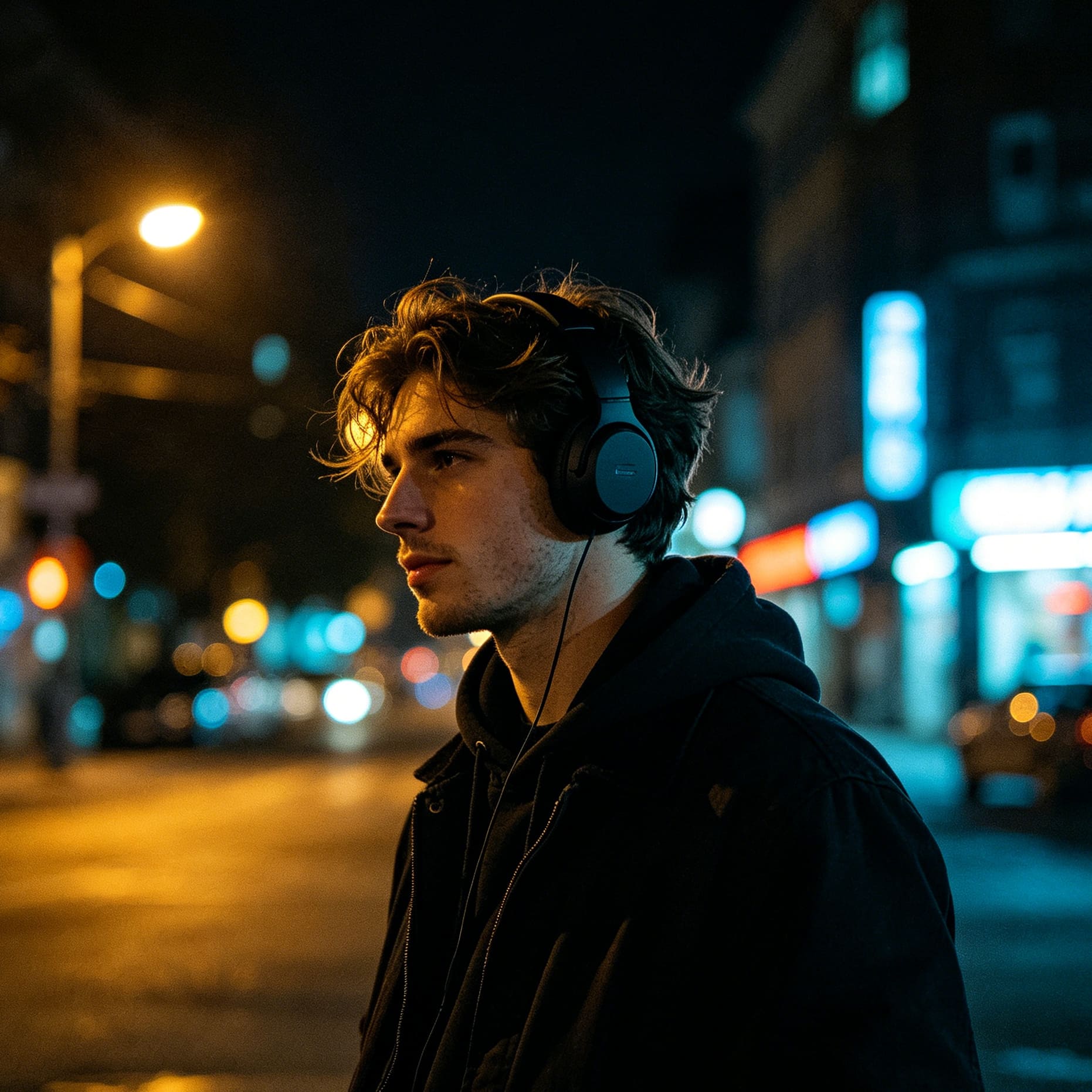
In the 20th century, the term became a cornerstone of visual arts, particularly photography and cinematography. "Low-key lighting" refers to a style of lighting that emphasizes shadows and dark tones, with very little contrast between light and dark areas. A low-key image is often moody, mysterious, or dramatic. Think of classic film noir or the works of Rembrandt. This technical background reinforces the modern slang's association with darkness, shadows, and things that are not "brightly lit" or obvious.
It wasn't until the late 2000s and early 2010s that the term began its meteoric rise in hip-hop culture and social media. It moved from being a description of a physical environment to a description of internal emotional states. By the mid-2010s, it had become a universal linguistic hedge used across various demographics.
Lowkey vs. Highkey: The Power of Contrast
You cannot fully understand lowkey without acknowledging its direct opposite: highkey. While lowkey is about subtlety and restraint, highkey is about unapologetic transparency and maximum intensity.
If being "lowkey annoyed" means you are simmering with a bit of frustration that you're trying to hide, being "highkey annoyed" means you are visibly upset and don't care who knows it. Highkey functions as an intensifier, similar to words like "really," "totally," or "absolutely."
- Lowkey: "I lowkey think we should leave the party early."
- Highkey: "I highkey want to go home right now; this is terrible."
The transition between these two terms allows speakers to navigate a spectrum of social risk. Lowkey is for testing the waters; highkey is for diving in.
Why Does Everyone Use It? The Psychology of Hedging
The prevalence of lowkey in modern discourse isn't accidental. It serves a vital psychological function in an era of hyper-visibility. In a world where every tweet, post, and comment can be scrutinized, lowkey provides a layer of plausible deniability.
Linguists often refer to these types of words as "hedges." A hedge is a word or phrase used to lessen the impact of an utterance. By adding lowkey to a statement, the speaker protects themselves from social rejection. If you say, "I lowkey think this new tech is overrated," and everyone else loves it, you can easily retreat by emphasizing the "lowkey" aspect—as if to say, "It was just a small, passing thought, not a major conviction."
Furthermore, the word fosters a sense of intimacy. When you tell someone you "lowkey" feel a certain way, you are inviting them into your inner circle. You are sharing the version of yourself that exists behind the curtain of your public persona.
Spelling and Grammar: Is it Low Key, Low-Key, or Lowkey?
As with many slang terms, the spelling varies depending on the platform and the level of formality.
- Low-key (Hyphenated): This is the standard dictionary spelling for the adjective. It is the most appropriate form for professional writing, such as "The company hosted a low-key event."
- Low key (Two words): Frequently used in casual writing but often considered a misspelling of the hyphenated version.
- Lowkey (One word): This is the predominant form used in slang and on social media, especially when used as an adverb. In digital spaces like Discord, X (formerly Twitter), or TikTok, the one-word version is the most common.
In terms of grammar, the slang usage of lowkey often violates traditional rules by acting as an adverb that modifies a verb without the "-ly" ending (like "subtly"). However, in the context of descriptivist linguistics—which studies how language is actually used rather than how it should be used—"lowkey" is a perfectly valid adverbial qualifier in informal settings.
Common Scenarios and Examples in 2026
To provide a clearer picture of how the word functions today, consider these different scenarios:
In Relationships and Dating
Social dynamics often involve a lot of "lowkey" behavior. A "lowkey crush" is an attraction that hasn't been confessed. "We're keeping it lowkey" is a common phrase for a couple that is dating but hasn't made their relationship public on social media yet. It’s about maintaining a private space in a public world.
In Professional Settings
While you might not use the slang version in a formal board meeting, the concept of low-key behavior is highly valued in modern management. A "low-key leader" is someone who manages with quiet confidence rather than ego-driven displays of power. They get results without needing constant praise or attention.
In Fashion and Lifestyle
In 2026, "low-key luxury" (often related to 'quiet luxury') remains a major trend. This refers to high-quality, expensive items that do not feature prominent logos or flashy designs. The value is in the craftsmanship and the materials, known only to those "in the know." This is the physical embodiment of the term: high value, low visibility.
In Emotional Expression
People often use the term to describe mental states that are difficult to quantify. "I'm lowkey stressed about this project" suggests a baseline level of anxiety that isn't causing a breakdown but is definitely present and affecting the person's mood.
The Evolution Continues
As we move through 2026, the term has moved past being a mere trend and has become a permanent fixture of the English lexicon. It has survived the rapid cycle of internet slang because it fills a specific gap in our vocabulary. It allows us to be honest without being vulnerable, and to be expressive without being loud.
Whether you are describing a moody photograph, a small gathering of friends, or a secret desire for a specific snack, "lowkey" provides the perfect linguistic tool to convey nuance. It reminds us that not everything needs to be shouted to be felt, and that sometimes, the most powerful statements are the ones made with the volume turned down.
Summary of Usage Tips
If you are unsure whether to use the term, keep these quick guidelines in mind:
- Use low-key (adjective) when describing a situation or event that is relaxed and small.
- Use lowkey (adverb) when you want to admit to a feeling or opinion that you are keeping somewhat private or quiet.
- Pair lowkey with an adjective or verb to soften your stance (e.g., "lowkey expensive" or "lowkey wanting to go").
- Reserve highkey for those moments when you want to be loud, proud, and completely transparent about your thoughts.
Understanding the meaning of lowkey is about more than just knowing a slang word; it's about understanding the subtle ways we navigate our social lives, balancing what we reveal with what we keep hidden in the shadows.
-
Topic: LOW-KEY Definition & Meaning - Merriam-Websterhttps://www.merriam-webster.com/dictionary/low-key
-
Topic: low-key Meaning & Origin | Slang by Dictionary.comhttps://www.dictionary.com/e/slang/low-key/
-
Topic: LOW-KEY Definition & Meaning - Merriam-Websterhttps://www.merriam-webster.com/dictionary/low-key?dir=t&lang=en_us