Home
Home
What Is Baileys Irish Cream? A Deep Dive Into the World's Favorite Liqueur
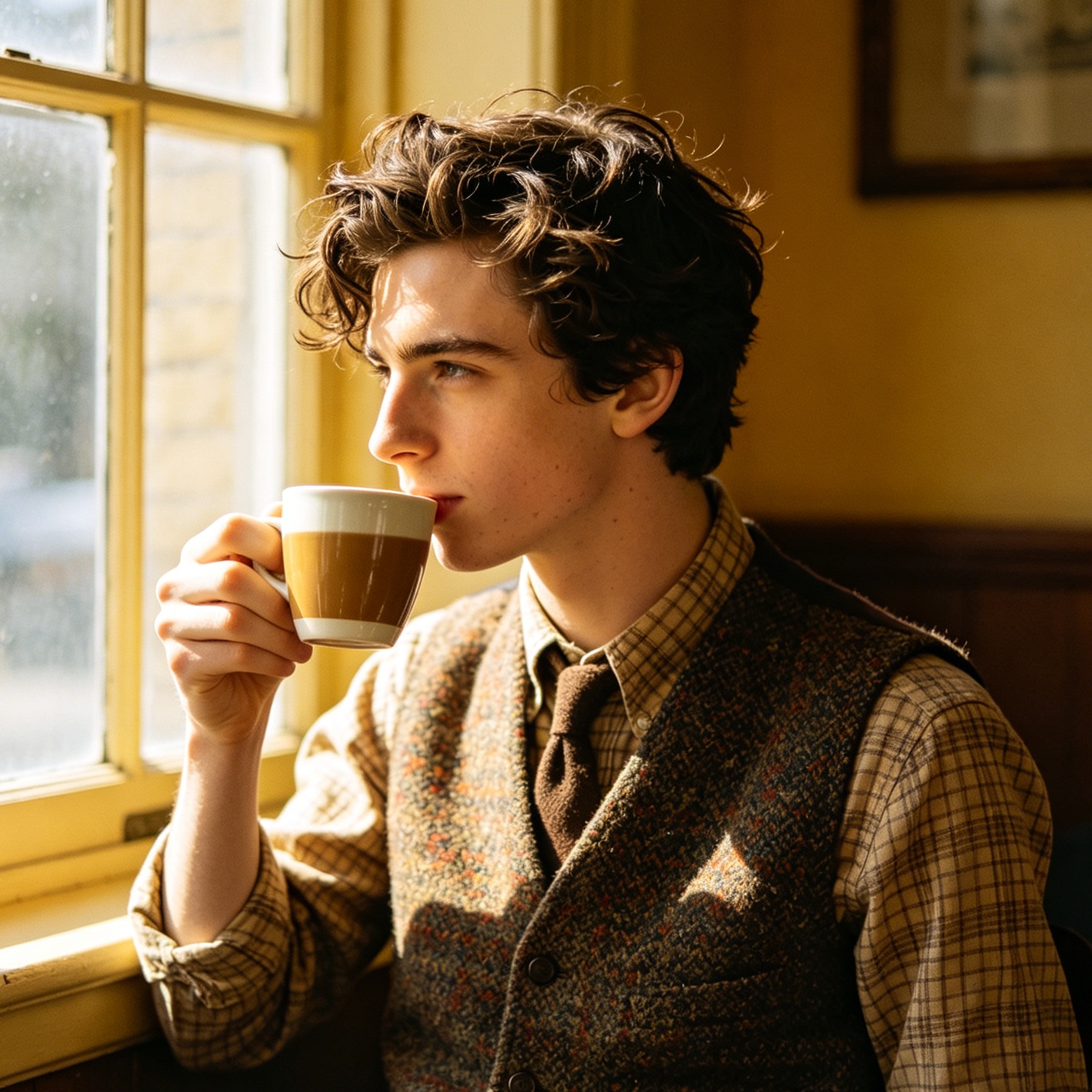
Baileys Irish Cream is the definitive leader of the cream liqueur category, a position it has held since its groundbreaking debut in the mid-1970s. At its core, it is a sophisticated emulsion of aged Irish whiskey and fresh dairy cream, flavored with a proprietary blend of cocoa and vanilla. Unlike many spirits that rely on a single distilled grain or fruit, Baileys is a hybrid creation that bridges the gap between a high-end spirit and a decadent dessert. It represents a specific cultural intersection of Ireland's rich dairy farming heritage and its centuries-old whiskey distilling traditions.
As of 2026, Baileys remains one of the most recognized spirit brands globally, sold in nearly every country where alcohol is legally permitted. Its appeal lies in its "not punishing" flavor profile—a term famously used during its development to describe a drink that provides the warmth of alcohol without the sharp burn often associated with neat spirits. With a standard alcohol by volume (ABV) of 17%, it occupies a middle ground in the beverage world, stronger than beer or wine but significantly milder than a standard 40% whiskey.
The Anatomy of the Original Blend
To understand what Baileys Irish Cream truly is, one must look at the high-quality ingredients that constitute its silky texture. The process begins with fresh Irish cream. Each year, roughly 200 million liters of milk are required to produce the cream used in Baileys, sourced predominantly from small, family-owned farms across Ireland. The cattle, often referred to as "Baileys ladies," spend much of their time grazing on lush green pastures, which contributes to the specific fat content and richness required for a stable liqueur.
This cream is then blended with Irish whiskey. While the specific distilleries involved are part of a closely guarded trade secret, the whiskey used is triple-distilled, a hallmark of the Irish style that ensures a smoother, less peaty character than Scotch. The third pillar of the recipe is the flavor extract—a combination of rich cocoa beans and aromatic vanilla pods. These elements provide the signature chocolate-caramel undertones that make the drink instantly recognizable.
The Science of Emulsification: Why It Doesn't Separate
A common question regarding cream liqueurs is how dairy and alcohol can coexist in a single bottle for years without curdling or separating. The answer lies in a sophisticated process of homogenization and emulsification. Using refined vegetable oil and specific techniques, the whiskey and cream are bound together so tightly that they form a permanent emulsion. This scientific feat was the primary challenge for the original creators in 1974; before Baileys, mixing cream and alcohol at home usually resulted in a drink that would separate within minutes.
Interestingly, the alcohol itself acts as a natural preservative for the cream. This is why Baileys does not require artificial preservatives to stay fresh. The whiskey effectively "seals" the dairy, preventing spoilage and allowing the product to remain shelf-stable at room temperature for an extended period.
History and Evolution: From 1974 to 2026
Baileys was officially introduced to the international market in 1974. It was the result of an ambitious marketing brief to create a drink that would appeal to the global palate while utilizing an excess of Irish dairy and alcohol. The innovation wasn't just in the flavor, but in the technology that allowed dairy to be bottled and shipped worldwide.
Over the decades, the brand has expanded far beyond the "Original" bottle. The flavor universe has grown to include seasonal and permanent variations that cater to changing consumer tastes. In the early 2000s, we saw the introduction of mint chocolate and crème caramel. By the mid-2010s, the brand leaned into the "treat" culture with flavors like Salted Caramel, Espresso, and Strawberries & Cream.
In recent years, leading up to 2026, the innovation has focused on textures and dietary needs. The launch of Baileys Almande provided a vegan-friendly, dairy-free alternative made with sweet almond oil and almond milk. More recently, the release of high-trend flavors like Cinnamon Swirl and various "Treat Bar" inspired editions have solidified Baileys' role not just as a drink, but as a versatile ingredient for modern mixology and baking.
Tasting Profile and Sensory Experience
When poured, Baileys Irish Cream exhibits a light beige or creamy latte-like color. The texture is viscous and velvety, coating the glass as it is swirled. On the nose, it offers an immediate bouquet of sweet cream, chocolate, and a hint of toasted nuttiness from the whiskey base.
Upon tasting, the palate is greeted with an indulgent sweetness. The primary notes are dairy cream and cocoa, followed quickly by the gentle, warming glow of the whiskey. The finish is long and smooth, often leaving a lingering taste of vanilla and caramel. Unlike high-proof spirits that might cause a sharp tingle on the tongue, Baileys is designed to be approachable and soothing, making it a popular "entry-level" spirit for those who do not typically enjoy the taste of hard liquor.
The Truth About Shelf Life and Storage
There is a significant amount of misinformation regarding how to store Baileys. According to official standards, Baileys Irish Cream has a guaranteed shelf life of 24 months from the date of manufacture. This applies whether the bottle has been opened or remains sealed, provided it is stored away from direct sunlight.
While many people choose to keep their Baileys in the refrigerator, it is not strictly necessary for safety. The product is designed to be stable at temperatures ranging from 0°C to 25°C (32°F to 77°F). However, refrigeration is often recommended because the liqueur is traditionally enjoyed chilled. If you find a bottle that has been sitting in your cupboard for a year, as long as it has been kept cool and dark, it is likely still perfectly fine to consume. The only caution is to avoid extreme heat, which can break the emulsion and cause the ingredients to separate.
How to Drink Baileys: Modern Serving Suggestions
While the classic way to enjoy Baileys is "neat" (plain) or over a few large ice cubes, the modern "treat" culture has expanded its utility.
- The Baileys Coffee: This is perhaps the most popular use worldwide. Adding a splash of Baileys to a hot cup of coffee replaces the need for both cream and sugar, while adding a subtle alcoholic kick. In 2026, the "Baileys Flat White" has become a staple in many upscale cafes and bars.
- The Espresso Martini Twist: Modern mixologists often swap some of the traditional coffee liqueur for Baileys to create a creamier, more dessert-like version of the classic Espresso Martini.
- Over Ice Cream: A simple but luxurious dessert involves drizzling Baileys over high-quality vanilla bean ice cream. The cold temperature of the ice cream slightly thickens the liqueur, creating a rich sauce.
- The "Mudslide": A cocktail staple that combines Baileys with vodka and coffee liqueur, often blended with ice for a milkshake-like consistency.
- Baking and Desserts: Baileys is a frequent guest in the kitchen. It is commonly used in cheesecakes, chocolate mousses, and even as a soak for sponge cakes in a boozy tiramisu.
Dietary Considerations and Ingredients
For those monitoring their intake, it is important to note that Baileys is a calorie-dense beverage due to its high sugar and cream content. A standard 50ml serving contains approximately 164 calories, which is comparable to a small dessert.
- Allergies: The original Baileys contains real dairy cream and therefore contains lactose. It is not suitable for those with milk allergies.
- Gluten: While the whiskey is distilled from grain, the distillation process generally removes gluten. Many sources consider Baileys to be gluten-free, but those with extreme sensitivities should always check the specific batch labeling.
- Vegan Options: As mentioned, Baileys Almande is the primary option for those following a vegan or dairy-free lifestyle, replacing cow's milk with almond milk.
The "Acid Rule": What to Avoid Mixing
One of the few ways to "ruin" a glass of Baileys is by mixing it with an acidic beverage. Because it contains real cream, the casein in the milk will react with acids—such as those found in lemon juice, tonic water, or some citrus-heavy sodas. This reaction causes the cream to coagulate and curdle instantly, creating an unpleasant texture. While some niche shots (like the "Cement Mixer") intentionally use this reaction for a specific effect, most drinkers should avoid citrus mixers at all costs.
Why Baileys Remains a Staple in 2026
The enduring popularity of Baileys Irish Cream can be attributed to its consistency. Whether you buy a bottle in Dublin, New York, or Tokyo, the flavor profile remains identical. It has successfully transitioned from being a niche after-dinner drink for an older generation to becoming a versatile lifestyle brand associated with "treat moments" and indulgence.
In a world of rapidly changing beverage trends, Baileys has stayed relevant by embracing the "dessert-as-a-drink" movement. It doesn't try to be a hard-hitting spirit for the purist; instead, it leans into its role as a liquid indulgence. Whether it's the centerpiece of a festive holiday celebration or a quiet addition to a Sunday morning coffee, Baileys continues to define what an Irish cream liqueur should be.
Conclusion: More Than Just a Drink
To answer "what is Baileys Irish Cream" is to describe an icon of Irish innovation. It is a product that took the simple elements of a farmhouse kitchen—cream and whiskey—and used modern science to share them with the world. It remains a symbol of comfort and luxury, accessible enough for a casual home bar but sophisticated enough to be featured in the world's best cocktail lounges. As we look at the beverage landscape of 2026, Baileys stands as a testament to the idea that some flavors are truly timeless, provided they are built on a foundation of quality ingredients and a little bit of Irish soul.
-
Topic: Baileys US Official Site - The Original Irish Creamhttps://www.baileys.com/en-us
-
Topic: Baileys Original Irish Cream | Baileys UShttps://www.baileys.com/en-us/products/baileys-original-irish-cream?ds_c=B%3A%20Baileys%20Irish%20Cream_Exact_EN_US_HV&ds_e=MICROSOFT&ds_k=baileys%20irish%20cream&gclsrc=ds
-
Topic: Baileys Irish Cream - Wikipediahttps://en.m.wikipedia.org/wiki/Baileys_Irish_Cream