Home
Home
What Is Lip Blushing? The Truth About That Viral Lip Tint Tattoo
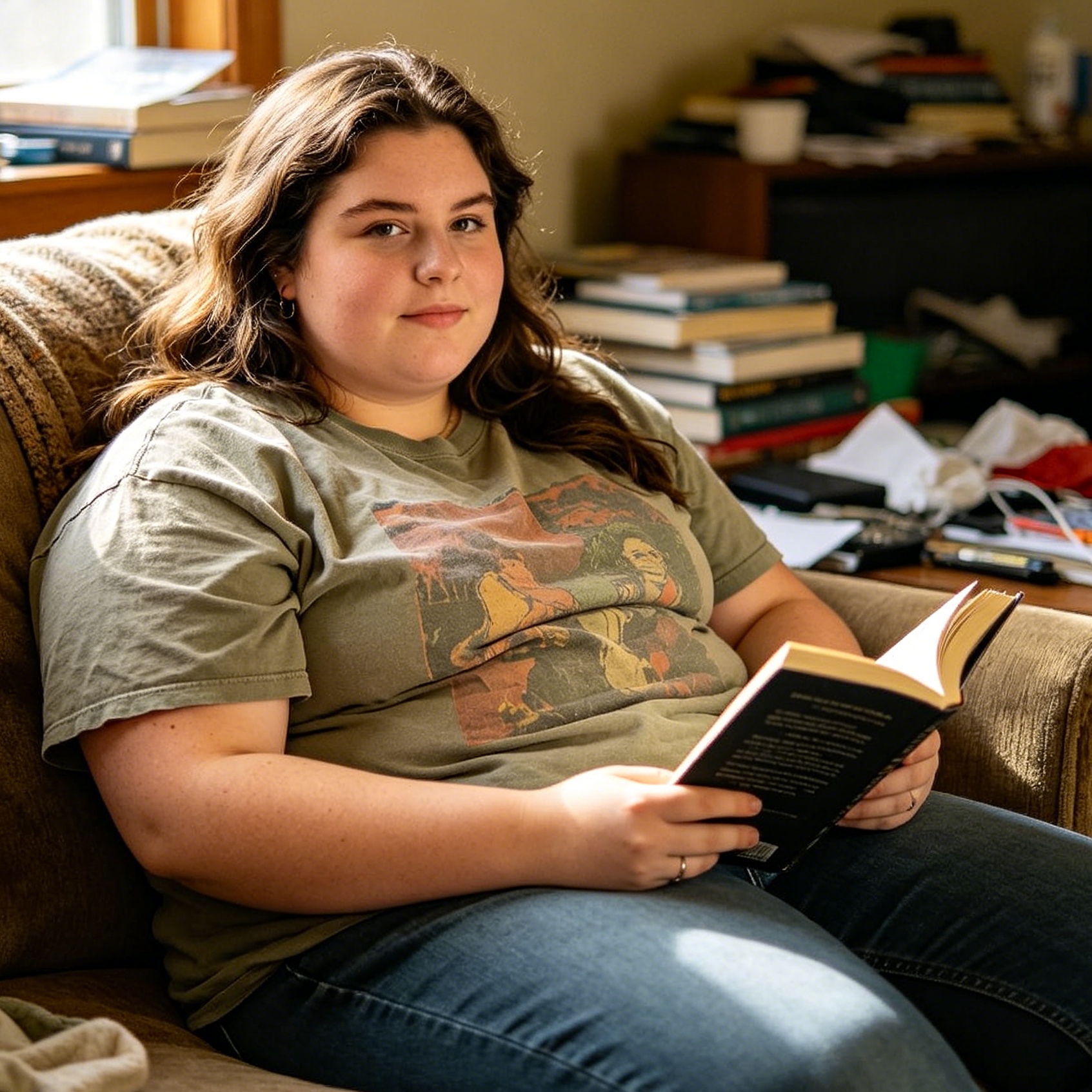
The obsession with "waking up ready" has moved beyond lash extensions and microbladed brows. Now, the spotlight is firmly on the mouth. Lip blushing has emerged as the modern answer to the high-maintenance daily application of liners, stains, and lipsticks. It is a sophisticated evolution of the permanent makeup of decades past, trading harsh outlines for a soft, diffused wash of color that mimics a natural flush.
Understanding the Mechanism: Not Your Mother's Lip Tattoo
To answer "what is lip blushing" effectively, one must first look at the technology behind it. Unlike traditional tattoos that use carbon-based inks deposited deep into the dermis, lip blushing utilizes organic pigments and a specialized motor-driven pen with ultra-fine needles.
This technique is often described as "pixelation." Instead of a solid block of color, the technician creates thousands of tiny dots of pigment. When these dots overlap and heal, they create a sheer, misty effect—much like a light application of a tinted balm or a blurred lip stain. The goal is enhancement, not a dramatic transformation that looks artificial in the absence of other makeup.
In the current aesthetic landscape of 2026, the preference has shifted toward "undetectable" enhancements. Lip blushing fits this perfectly by defining the vermilion border (the edge of the lips) which often loses its natural pigment due to aging, sun exposure, or previous filler treatments.
The Science of Color: More Than Just Picking a Shade
Choosing a color for lip blushing is significantly more complex than picking a lipstick from a counter. It involves advanced color theory and an understanding of the client’s underlying skin undertones.
The Role of Melanin and Undertones
Lip tissue is different from the skin on the rest of the body; it is thinner and lacks the typical sweat glands and hair follicles. For individuals with cool, blue, or purple undertones in their lips (common in melanin-rich skin), a standard pink pigment might heal as a muddy grey.
In these cases, a process called "Lip Neutralization" is required. This involves using warm-toned pigments (oranges and warm reds) to cancel out the cool tones before a target color can be applied in a subsequent session. Understanding this layered approach is vital for anyone considering the procedure, as it may require multiple appointments to achieve the desired clarity of color.
Pigment Longevity
Because the pigments used are semi-permanent and designed to be metabolized by the body over time, the results typically last between two and five years. The rate of fading depends on several physiological and environmental factors:
- Metabolic Rate: Individuals with faster metabolisms may process the pigment more quickly.
- Sun Exposure: UV rays break down pigment particles, leading to faster fading.
- Skincare Ingredients: The use of chemical exfoliants like AHAs, BHAs, and Retinol near the mouth can accelerate the cellular turnover of the lip tissue, lifting the pigment sooner.
Lip Blushing vs. Lip Filler: Which One Do You Need?
There is often confusion between these two treatments, but they address entirely different concerns.
- Lip Filler is an injectable hyaluronic acid treatment designed to add volume and physical structure. It changes the size and shape of the lips by expanding the tissue from within.
- Lip Blushing is a surface treatment. It changes the color and creates the illusion of fullness by defining the borders and adding a central flush.
Interestingly, many people now opt for both. Filler provides the volume, while lip blushing provides the definition and healthy hue. However, the timing is critical. Industry standards suggest waiting at least four to six weeks after receiving filler before undergoing a lip blush procedure to ensure the filler has settled and the tissue is not under excessive tension.
The Step-by-Step Procedure: What Happens in the Chair?
A typical lip blushing session lasts approximately two to three hours. It is a meticulous process that requires precision.
1. The Mapping Phase
This is arguably the most important step. The technician uses a specialized pencil to draw the "map" of the new lips. This is where asymmetry is corrected. Even if someone’s natural lip border is faint, the technician can redefine it to create a more balanced appearance. The client must approve this shape before any tattooing begins.
2. Numbing and Preparation
To manage discomfort, a topical anesthetic (usually a combination of lidocaine, prilocaine, and epinephrine) is applied to the lips. This takes about 20 to 30 minutes to take full effect. Because the lips are highly vascular and sensitive, high-quality numbing is a standard part of the protocol.
3. The Pigment Deposition
Using a single-use sterile needle, the technician begins the shading. They will typically make three to four "passes" over the lips. The first pass sets the outline, while subsequent passes build the internal color density. You might feel a vibration or a scratching sensation, but it is rarely described as sharp pain.
The Healing Diary: What to Expect Post-Procedure
The immediate result is not the final result. Understanding the healing timeline is essential for avoiding unnecessary anxiety.
- Days 1–2: The Bold Phase. The lips will appear significantly brighter and more "neon" than expected. This is because the pigment is sitting on the surface, and some oxidation is occurring. Swelling is normal during the first 24 to 48 hours.
- Days 3–5: The Peeling Phase. As the micro-wounds heal, the top layer of the lip skin will begin to flake off. It is imperative not to pick or peel these flakes, as doing so can pull the pigment out of the deeper layers, resulting in patchy color.
- Days 6–10: The Ghosting Phase. Once the peeling is finished, the color may seem to disappear almost entirely. This is because new skin has grown over the pigment, making it look milky or faint.
- Weeks 4–8: The Bloom. As the skin fully matures and settles, the pigment "blooms" back to the surface. The final, soft color is revealed.
Prep and Aftercare: The Keys to Pigment Retention
Success in lip blushing is 50% the technician's skill and 50% the client's aftercare.
Pre-Appointment Protocol
- Hydration: Dry, cracked lips cannot hold pigment well. Intense moisturizing for a week prior is recommended.
- Exfoliation: A gentle lip scrub a few days before the appointment helps create a smooth canvas.
- Avoid Blood Thinners: Alcohol, caffeine, aspirin, and ibuprofen should be avoided for 24 to 48 hours to minimize bleeding and swelling.
- Cold Sore Management: This is a critical point. The stimulation of the needle can trigger a cold sore outbreak in anyone who carries the herpes simplex virus (even if they haven't had a sore in years). Taking a prescribed antiviral medication (like Acyclovir) starting two days before the procedure is a standard preventative measure.
Post-Appointment Protocol
- Keep it Clean: Gently dabbing the lips with a damp cotton pad to remove lymph fluid prevents thick scabbing.
- Moisturize: Use the recommended healing balm (usually a petroleum-based or specialized tattoo aftercare product) constantly.
- Avoid Irritants: For the first week, avoid spicy foods, very hot liquids, and direct sun exposure. No kissing or submerging the face in water (pools, saunas) until the peeling is complete.
Safety, Risks, and Considerations
While lip blushing is generally safe when performed by a licensed professional, it is not without risks. Potential complications include:
- Infection: If sterile needles are not used or if aftercare is neglected.
- Allergic Reactions: Though rare, some individuals may be sensitive to certain pigment ingredients (especially red lakes).
- Scarring: If the technician works too deeply or aggressively into the delicate lip tissue.
- Dissatisfaction with Color: If the undertones were not properly assessed, the healed color might not match expectations.
It is vital to view portfolios of healed work, not just immediate "fresh" photos. Fresh photos always look vibrant and perfect; healed photos show the true skill of the artist in pigment retention and color theory.
Financial Investment
In 2026, the cost of lip blushing varies significantly based on geography and the artist's expertise. Generally, one can expect to pay between $400 and $1,200 for the initial session. Most artists include a "touch-up" or "perfection" session 8 to 12 weeks later in the initial price. This second session is necessary to fill in any gaps left after the first healing phase and to intensify the color if the client desires a bolder look.
Is Lip Blushing Right for You?
This procedure is an excellent option for those who:
- Want to restore lost definition to their lip border.
- Have pale lips and want a natural, healthy glow.
- Have hyperpigmentation or unevenness they wish to neutralize.
- Want to simplify their beauty routine and reduce reliance on cosmetics.
However, it may not be suitable for those with active skin conditions (like eczema or psoriasis) on the face, individuals undergoing chemotherapy, or those with highly sensitive skin prone to keloid scarring.
Ultimately, lip blushing represents a significant shift in how we approach permanent beauty. It is no longer about creating a "makeup look," but about enhancing the natural features to a point where makeup becomes optional. By understanding the process, the biology of healing, and the importance of professional expertise, one can achieve a result that is both beautiful and enduring. Whether you’re looking for a subtle "your lips but better" tint or a base for your favorite gloss, lip blushing offers a customizable solution for the modern age.
-
Topic: All About Lip Blushing, the Pout-Perfecting Procedure That’s Trending on TikTokhttps://www.instyle.com/lip-blushing-8651781
-
Topic: Learn Lip Blushing Techniqueshttps://www.visualeffectspmu.com/post/getting-started-with-lip-blushing-techniques
-
Topic: Discover Lip Blushing: A Beauty Transformationhttps://www.innovativebeautydesigns.com/post/lip-blushing-questions-answered