Home
Home
What Time Is It in Kansas City? A Local Look at Life in the Central Time Zone
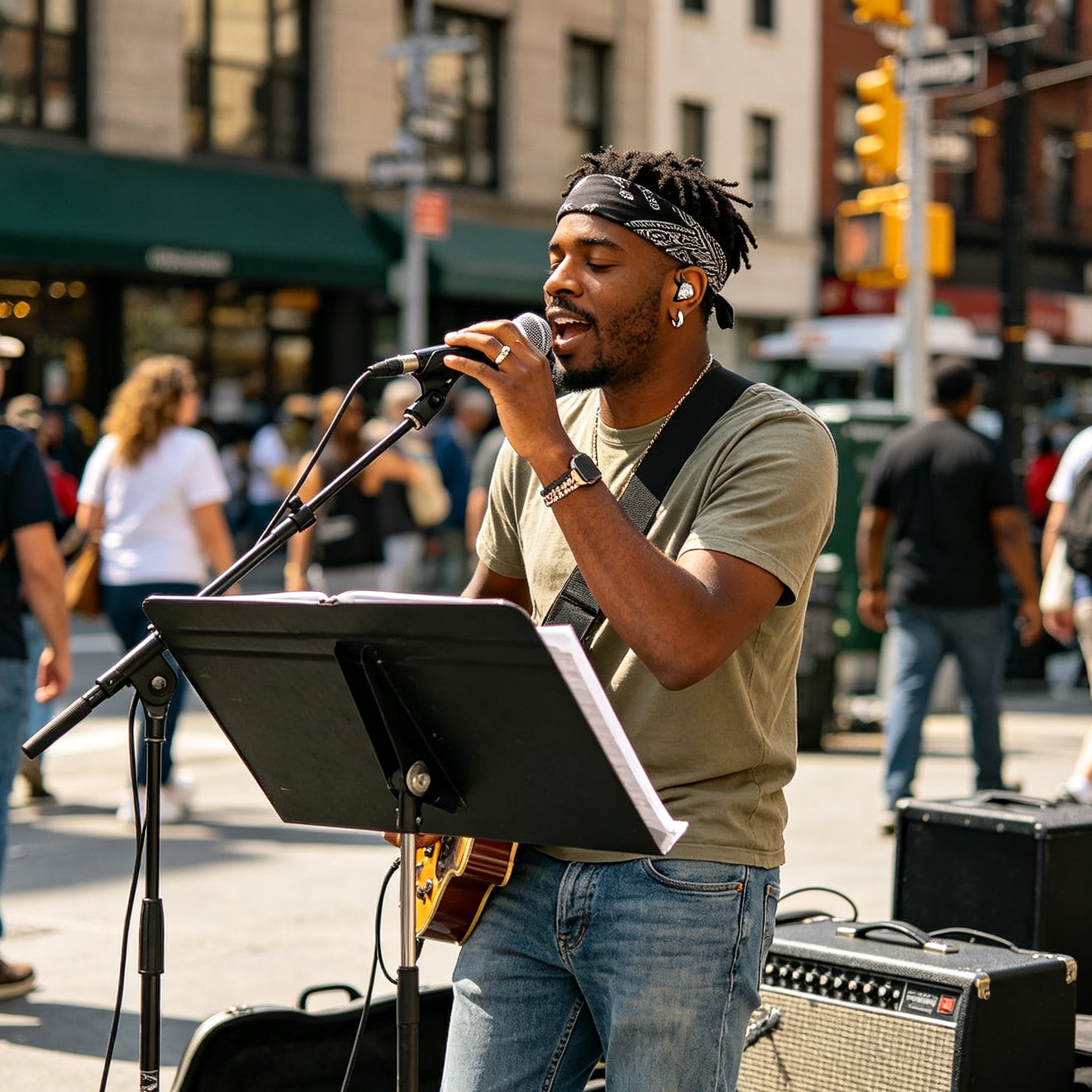
Kansas City operates on Central Daylight Time (CDT) during the spring and summer months. As of April 2026, the city is five hours behind Coordinated Universal Time (UTC-5). This timing is consistent across the entire metropolitan area, regardless of whether you are standing in Kansas City, Missouri (KCMO) or crossing the state line into Kansas City, Kansas (KCK). Understanding the clock here is the first step toward navigating one of the most culturally rich and geographically unique hubs in the American Midwest.
Understanding the Central Time Rhythm
For those planning a visit or scheduling a business call, the transition between Central Standard Time (CST) and Central Daylight Time (CDT) is a critical detail. In mid-April, the city has already made the jump to daylight saving time, which typically occurs on the second Sunday of March. This shift provides longer evening light, perfect for exploring the city's famous fountains or catching an outdoor event as the spring air begins to warm.
Historically, Kansas City was a pivotal junction for the nation’s railroads, which necessitated the standardization of time in the late 19th century. Today, that legacy of being a "connector" remains. The city’s central location makes it an ideal meeting point for coast-to-coast operations, sitting comfortably between the hustle of the Eastern Time Zone and the laid-back pace of the Pacific coast.
Two States, One Clock: The KCMO vs. KCK Dynamic
A common point of confusion for first-time visitors is the existence of two distinct cities named Kansas City. The larger of the two is in Missouri, home to the iconic skyline and the primary arts districts. Its neighbor across the river and state line is in Kansas, offering its own set of attractions, including a renowned soccer stadium and professional racing facilities.
Despite the political boundary, the "time" is identical on both sides. Residents move fluidly between the two, often living in one state and working in the other. When checking the time for a meeting in Overland Park (KS) or a dinner reservation in the Crossroads Arts District (MO), there is no need to worry about a time jump. The entire "KC Metro" functions as a single temporal unit.
Life in Kansas City: April 2026 Context
As of April 2026, the tempo of the city is reaching a crescendo. With the 2026 FIFA World Cup on the horizon, Kansas City is undergoing a transformation. This isn't just about the clock on the wall; it’s about the countdown to global spotlight. Infrastructure improvements, especially around the expanded streetcar lines and the modernized Kansas City International Airport (MCI), are designed to make time spent in the city more efficient.
The weather in mid-April suggests a mix of refreshing rain and blossoming landscapes. It is a season of transition where the winter chill has faded, and the humid heat of the Midwestern summer is still weeks away. For anyone asking "what time is it" in a metaphorical sense, the answer is that it is a time of immense growth and anticipation for the city.
A 24-Hour Timeline of the Kansas City Experience
To truly understand what time looks like in this city, one must look at how the hours are spent. Here is a breakdown of a typical, high-value day in the heart of the country.
Morning (7:00 AM – 11:00 AM): Coffee and Culture
The city wakes up gradually. Starting the day in the River Market area is a local favorite. The City Market, which dates back to 1857, is most vibrant in the morning hours. This is the best time to find fresh regional produce or artisanal breakfast options.
By 9:00 AM, the focus often shifts toward the Crossroads Arts District. This neighborhood is the creative soul of the city, where converted warehouses now house boutique coffee roasters and galleries. Walking through these streets provides a sense of the city’s architectural history—red brick facades that have stood the test of time, now updated with modern murals.
Midday (11:00 AM – 2:00 PM): The Quest for Barbecue
Lunchtime in Kansas City is a serious affair, and for many, it is synonymous with barbecue. Between 11:00 AM and 1:00 PM, the lines at legendary spots like Joe’s Kansas City (the famous gas station location) or Arthur Bryant’s begin to swell.
There is a specific etiquette to "barbecue time" here. It is often a communal experience. Whether opting for the signature Z-Man sandwich or a platter of smoky burnt ends, the wait in line is considered part of the ritual—a time to chat with neighbors and debate the merits of different sauces. For those with a tighter schedule, newer establishments in the downtown area offer faster service without compromising the slow-smoked quality the city is known for.
Afternoon (2:00 PM – 5:00 PM): Fountains and Museums
Post-lunch is the ideal time to head south to the Country Club Plaza. Built in 1922 and inspired by the architecture of Seville, Spain, the Plaza is an open-air museum in its own right. Kansas City is known as the "City of Fountains," and many of its most majestic water features are concentrated in this area.
Just a short walk or drive from the Plaza is the Nelson-Atkins Museum of Art. The iconic shuttlecocks on the lawn are a must-see, but the interior houses world-class collections ranging from ancient Chinese art to contemporary masterpieces. The afternoon light in the sculpture garden is particularly favorable for photography during the spring months.
Evening (5:00 PM – 9:00 PM): Fine Dining and Sunsets
As the workday ends, the city’s culinary diversity beyond barbecue takes center stage. The Westside neighborhood offers intimate dining experiences with sunset views over the industrial valley. Alternatively, Brookside and Waldo provide a more neighborhood-centric vibe with upscale bistros and craft breweries.
This is also the time when sports culture begins to dominate the atmosphere. If there is a home game for the Royals at Kauffman Stadium, the "blue" energy is palpable across every sports bar in the city. The timing of these games is a central part of the local social calendar throughout the spring.
Late Night (9:00 PM – 2:00 AM): The Birthplace of Jazz
To understand the true soul of Kansas City, one must wait for the sun to go down. The 18th & Vine Historic Jazz District is the place to be. Unlike the jazz scenes in other cities, Kansas City jazz is known for its "swinging" beat and improvisational nature, a style that flourished during the 1920s and 30s.
The Blue Room and the Mutual Musicians Foundation are essential stops. The latter is famous for its late-night jam sessions that often don’t start until well after midnight. For those who enjoy the nighttime rhythm, this is where the city’s history feels most alive. The music here doesn’t follow a strict schedule; it flows until the early hours of the morning.
Practical Time Management for Travelers
Navigating Kansas City effectively requires a few logistical considerations regarding time:
- Traffic Patterns: Unlike larger coastal cities, Kansas City doesn’t typically suffer from multi-hour gridlock. However, the "rush hour" between 4:30 PM and 6:00 PM can slow down transit between the downtown loop and the southern suburbs. Planning travel outside these windows is generally recommended.
- The Free Streetcar: The KC Streetcar is a game-changer for time management in the downtown area. It is free to ride and runs frequently from Union Station to the River Market. In 2026, the extension toward the Plaza makes it even easier to hop between major districts without worrying about parking time.
- Airport Transitions: With the modern terminal at MCI, security and baggage claim are significantly more efficient than in the old design. Still, it is located about 20 minutes north of downtown, so allowing at least 45 minutes for the commute (considering potential construction in 2026) is a safe bet.
The "Paris of the Plains" Perspective
There was a time when Kansas City was dubbed the "Paris of the Plains" due to its lax enforcement of prohibition laws and its vibrant, 24-hour nightlife. While the city has matured and modernized, that spirit of being a place where time is meant to be enjoyed remains.
Whether you are checking the clock for a business meeting or planning a weekend getaway, Kansas City offers a pace of life that is refreshingly balanced. It has the amenities and cultural density of a major metropolis but retains a friendliness and accessibility that allows you to slow down when you want to.
In the spring of 2026, the city is at a unique crossroads of history and future ambition. As the fountains begin to flow and the jazz clubs prepare for their nightly sets, any time spent here is likely to be time well spent. The Central Time Zone might define the hours, but the city’s heart defines the experience.
When you ask "what time is it in Kansas City," you aren't just asking for a number. You are asking for an invitation to join a community that is currently at its most exciting moment in decades. From the first cup of coffee in the Crossroads to the last saxophone solo at 18th & Vine, every hour in KC has something distinct to offer. Enjoy the rhythm, respect the barbecue lines, and take the time to see why this city continues to surprise everyone who visits.
-
Topic: Current local time in United States/Kansas, Time and Date in United States/Kansas, What time is it in United States/Kansas?, Timezone of United States/Kansashttps://www.worlddatetime.com/time/Kansas-United_States
-
Topic: Kansas City | City Guide & Attractions | Britannicahttps://www.britannica.com/place/Kansas-City-Missouri#ref823239
-
Topic: A first-time guide to Kansas City - Lonely Planethttps://www.lonelyplanet.com/articles/guide-to-kansas-city