Home
Home
What to Do in Manhattan: 15 Spots That Actually Live Up to the Hype

Manhattan in 2026 remains a sensory overload in the best possible way. The skyline has shifted with glass-and-steel giants, the dining scene has pivoted toward hyper-local transparency, and the classic landmarks still hold a gravity that few cities can replicate. Navigating this island requires a balance between the high-octane energy of Midtown and the cobblestone quietude of the West Village. For those trying to figure out what to do in Manhattan, the secret lies in not trying to see everything, but in seeing the right things at the right time.
The New Heights of Midtown
Midtown has undergone a vertical revolution. While the Empire State Building remains the emotional heart of the city, new observatories have redefined the "view from the top."
Summit One Vanderbilt is currently the most discussed immersive experience in the city. Located right next to Grand Central Terminal, it is less of a traditional observation deck and more of an art installation. The "Air" room, designed by Kenzo Digital, uses floor-to-ceiling mirrors to reflect the sky and the surrounding skyscrapers, creating a feeling of floating in a glass void. It is advisable to visit during the transition from late afternoon to sunset. The way the golden hour light bounces off the reflective surfaces transforms the space into something otherworldly. Just remember to wear pants rather than skirts, as the floors are mirrored.
A short walk west leads to Hudson Yards, home to The Edge. As the highest outdoor sky deck in the Western Hemisphere, it offers a literal lean-out experience with its angled glass walls. Standing on the glass floor looking 1,100 feet straight down at the city grid provides a visceral understanding of Manhattan’s scale. It’s a stark contrast to the Empire State Building, which offers a more historical, Art Deco perspective of the city. Choosing between them depends on whether one prefers modern thrills or cinematic nostalgia.
Urban Greenery and the High Line Evolution
Manhattan’s commitment to reclaiming industrial space has resulted in some of its most pleasant walking routes. The High Line remains the gold standard for urban renewal. Walking this elevated park, built on a former rail line, allows for a unique vantage point of Chelsea’s architecture and the Hudson River. By 2026, the various extensions and the surrounding "star-chitecture" have matured, making it a lush, green corridor amidst the concrete.
At the southern end of the High Line, Little Island at Pier 55 provides a whimsical escape. This public park rests on 132 tulip-shaped concrete pots rising out of the Hudson River. It’s a masterpiece of landscape design, offering amphitheaters for performances and secluded paths with panoramic river views. It is an excellent spot for a mid-morning pause before heading into the Meatpacking District for lunch.
Of course, no list of what to do in Manhattan is complete without Central Park. Spanning 843 acres, it is the city’s lungs. While the Bethesda Terrace and Strawberry Fields are the traditional draws, the North Woods offer a more rugged, forest-like experience that makes it easy to forget one is in the middle of a global metropolis. Renting a bike is a practical way to cover more ground, but the true charm of Central Park is found in wandering aimlessly through the Ramble.
Cultural Institutions and the Museum Mile
The Upper East Side’s Museum Mile is home to some of the world’s most significant art collections. The Metropolitan Museum of Art (The Met) is a labyrinth of human history. One could spend a week here and only scratch the surface. The Egyptian wing, specifically the Temple of Dendur, remains a peaceful sanctuary. In the warmer months, the rooftop garden offers a spectacular view of the Central Park canopy against the backdrop of the Midtown skyline.
For a more modern focus, The Museum of Modern Art (MoMA) in Midtown is indispensable. The 2026 curation continues to bridge the gap between classic avant-garde and digital-age innovation. The sculpture garden is a quiet retreat from the bustle of 53rd Street.
Further downtown, the Whitney Museum of American Art anchors the southern end of the High Line. The building itself is a work of art, featuring outdoor terraces that serve as gallery spaces with unobstructed views of the city and the river. It focuses specifically on 20th and 21st-century American art, often showcasing provocative and contemporary exhibitions.
Lower Manhattan: Reflection and Resilience
Downtown Manhattan carries a different weight. The 9/11 Memorial & Museum is a somber, essential visit. The twin reflecting pools, situated in the footprints of the original towers, feature the largest man-made waterfalls in North America. The sound of the water effectively masks the city noise, creating a space for quiet reflection. The museum underground provides a comprehensive and moving account of the events and the lives lost.
Nearby, the Oculus, designed by Santiago Calatrava, serves as both a transportation hub and a shopping mall. Its skeletal, white structure is a feat of modern engineering and a favorite for photography. From here, it’s a short walk to Wall Street and the New York Stock Exchange. While the interior of the exchange is not open to the general public, the surrounding architecture of the Financial District reflects the city’s history as a global economic powerhouse.
For a change of pace, the Staten Island Ferry remains the best free experience in the city. Departing from Whitehall Terminal, the ferry passes directly by the Statue of Liberty and provides an unparalleled view of the receding Manhattan skyline. The round trip takes about an hour and offers a refreshing sea breeze and a perspective of the harbor that is often missed on land.
Neighborhood Exploration: SoHo, Greenwich Village, and Chinatown
The true character of Manhattan is found in its distinct neighborhoods. SoHo (South of Houston Street) is famous for its cast-iron architecture and high-end boutiques. While it has become a major commercial hub, the side streets still retain their cobblestone charm. It is a premier destination for fashion enthusiasts and those interested in the evolution of urban industrial spaces.
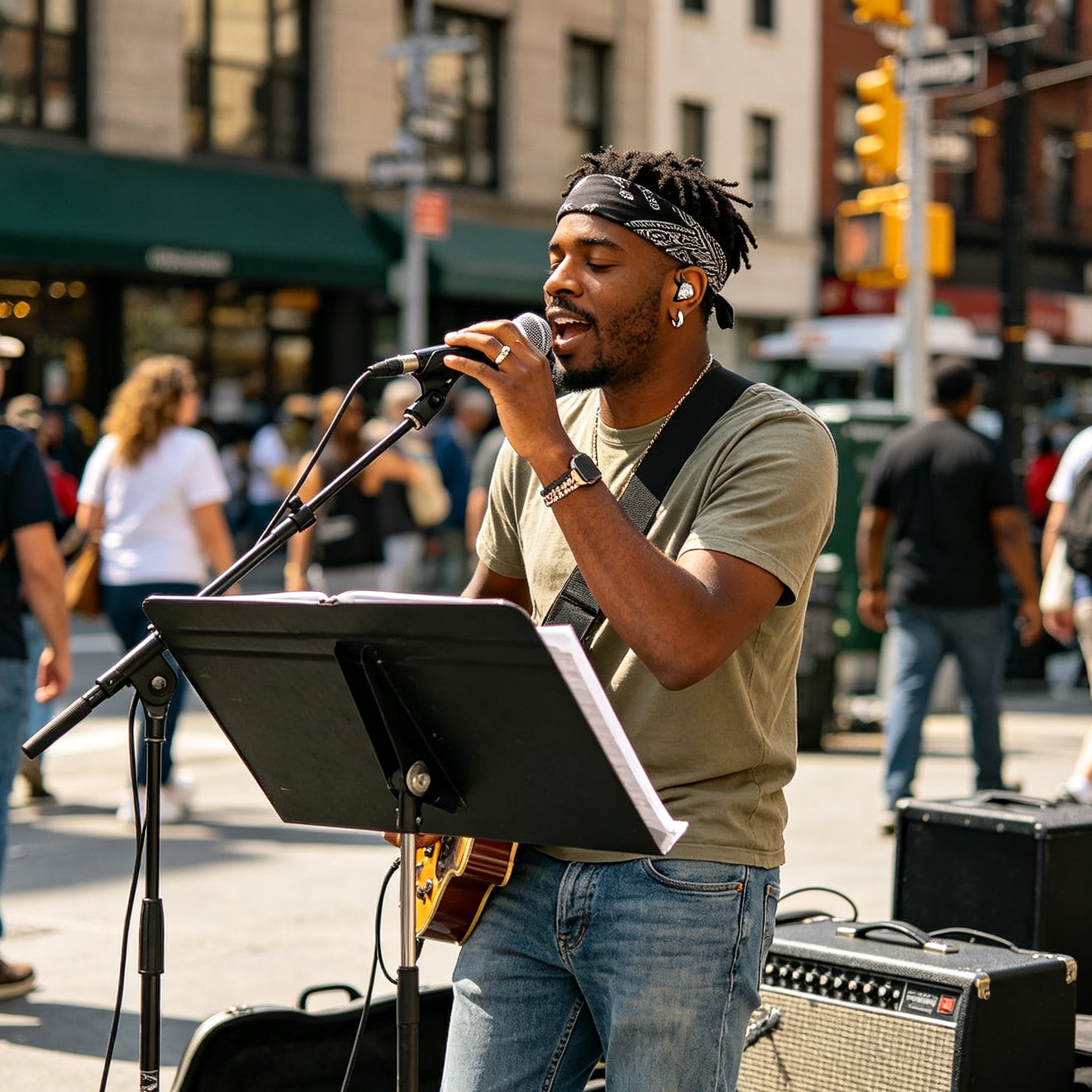
To the west lies Greenwich Village, the historic heart of the counterculture movement. This neighborhood eschews the city’s grid system, leading to narrow, winding streets that are perfect for getting lost. Washington Square Park, with its iconic arch and lively atmosphere, is a microcosm of New York life. Chess players, street performers, and students from nearby NYU create a constant hum of activity. This is also the area to find some of the city’s best jazz clubs and intimate basement bars.
East of SoHo, Chinatown and Little Italy offer a sensory shift. Chinatown is a bustling maze of markets, dim sum parlors, and specialty shops. It is one of the most vibrant and authentic areas of the city, where the pulse of daily life is palpable. Little Italy has shrunk over the years but still centers around Mulberry Street, offering classic red-sauce joints and bakeries that have served the community for generations.
The Broadway Experience and Times Square
Times Square is often polarizing, but its energy is undeniable. It is the "Center of the Universe," defined by massive digital billboards and a constant flow of humanity. A common strategy is to visit late at night when the neon glow is at its peak. Every night at 11:57 PM, the "Midnight Moment" takes place, where the digital displays synchronize for a brief, artistic takeover.
Attending a Broadway show remains a quintessential Manhattan activity. The 41 professional theaters in the Theater District host everything from long-running musicals to experimental dramas. For those looking for better value, the TKTS booth in Times Square offers discounted same-day tickets for many performances. Alternatively, many shows now offer digital lotteries, which provide a chance to secure front-row seats for a fraction of the cost.
Eating Your Way Through the Island
Food in Manhattan is as diverse as its population. In 2026, the trend has moved toward specialized food halls and elevated street food. Chelsea Market remains a powerhouse of culinary variety, housed in the former National Biscuit Company factory. From fresh lobsters to artisanal tacos, it’s a convenient spot for a diverse group.
However, for a real New York experience, one must seek out the staples. A New York bagel is not just bread; it’s a cultural institution. Neighborhood spots like Ess-a-Bagel or Tompkins Square Bagels are known for their traditional methods. The secret is the local water and the boiling process that creates a chewy exterior and a soft interior.
Pizze is another non-negotiable. Whether it’s a $1.50 "dollar slice" (now slightly more expensive in 2026 due to inflation) or a sit-down meal at a historic spot like John’s of Bleecker Street, the thin-crust, coal-fired style is the city's signature. Manhattan also boasts some of the world's most innovative fine dining, with many establishments focusing on sustainability and farm-to-table sourcing from the Hudson Valley.
Practical Tips for Navigating Manhattan
Manhattan is best explored on foot, but the Subway is the most efficient way to cover long distances. By 2026, the OMNY system has completely replaced the MetroCard, allowing for seamless tap-to-pay entry with a smartphone or contactless card. The grid system in most of the island makes navigation intuitive—streets run east-west, and avenues run north-south.
When planning what to do in Manhattan, it is helpful to group activities by neighborhood to minimize travel time. For instance, a morning at the 9/11 Memorial can be followed by a walk to the Staten Island Ferry and an afternoon in the Financial District. Likewise, the High Line leads naturally into the Whitney Museum and Chelsea Market.
Safety in the city is generally good, but staying aware of one's surroundings is always wise, especially in crowded tourist hubs. Comfortable walking shoes are a requirement, not a suggestion. A typical day of exploring can easily result in 15,000 to 20,000 steps.
Evening Views and Nightlife
As the sun sets, the city’s nightlife comes alive. Beyond the Broadway stage, Manhattan offers world-class cocktail bars and rooftop lounges. Places like the 230 Fifth Rooftop Bar or the newer lounges in the Financial District provide stunning views of the illuminated skyline. For a more laid-back evening, the comedy clubs in the West Village, such as the Comedy Cellar, offer a chance to see both established stars and rising talent.
Roosevelt Island also offers a unique perspective at night. The Roosevelt Island Tramway takes passengers from the Upper East Side across the East River. The ride provides a spectacular view of the Queensboro Bridge and the Midtown skyscrapers reflected in the water. It’s a short, affordable trip that feels like a hidden secret.
Conclusion
Deciding what to do in Manhattan is a matter of prioritizing personal interests. Whether it’s the quiet contemplation of a museum, the adrenaline of a skyscraper observation deck, or the simple joy of a perfectly baked bagel, the island offers a layer for every type of visitor. The key to enjoying Manhattan in 2026 is to embrace the chaos but find the moments of stillness in its parks and side streets. It is a city that never stops moving, and being part of that momentum, even for a few days, is an experience that stays with you long after you’ve left.
-
Topic: 2025 Manhattan Travel Guide: Must-see attractions, popular food, hotels, transportation routes (updated in November)| Trip Momentshttps://ca.trip.com/moments/destination-manhattan-2016567/
-
Topic: 20 Best Things To Do In Manhattan, New York Cityhttps://activities.timeout.com/en-au/explorer/new-york-city-ttd59/things-to-do-in-manhattan-ny/
-
Topic: The BEST Manhattan Tours and Things to Do in 2025 - FREE Cancellation | GetYourGuidehttps://www.getyourguide.com/manhattan-l3459/?page_id=42ef1202-1adc-53d4-910f-744981387cce