Home
Home
Your Perfect Fit Depends on One Number: What Is Inseam and How to Get It Right
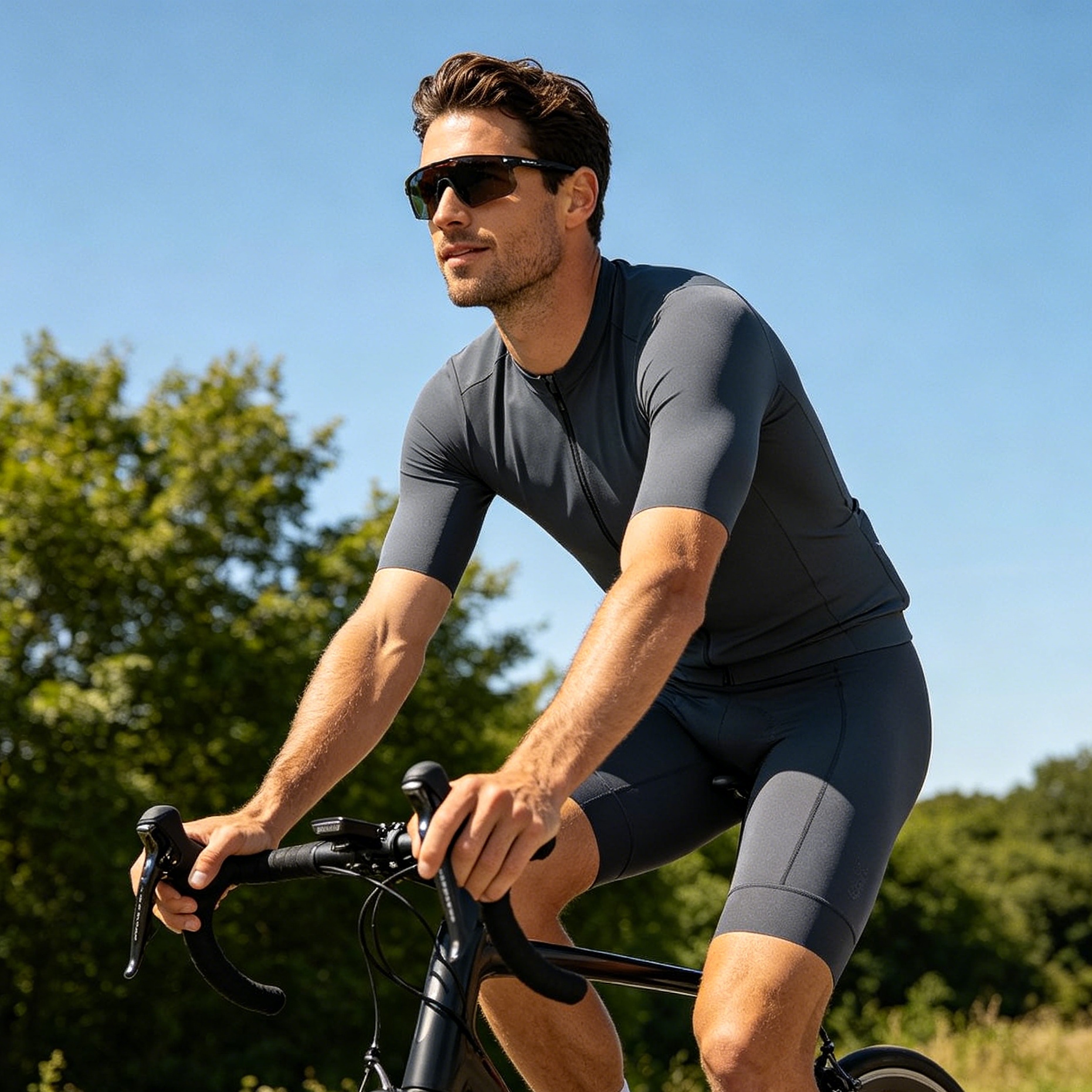
Understanding the term inseam is the single most important step in moving from clothes that just fit to clothes that actually flatter. While many shoppers focus heavily on waist measurements, the inseam dictates the entire silhouette of a pair of pants, influencing everything from the drape of the fabric to how tall or short the wearer appears. By definition, the inseam is the distance between the very top of the inner thigh—the crotch point—and the bottom of the leg, ending at the hem. It is the line of stitching that runs down the inside of the leg, and its length determines where your trousers will rest relative to your shoes.
The technical mechanics of the inseam
In the world of tailoring and garment construction, the inseam is more than just a measurement; it is a structural necessity. It balances the outseam, which is the measurement from the top of the waistband down to the hem on the outside of the leg. The relationship between these two numbers is what professional pattern makers call the "rise." If you have a pair of pants with a 40-inch outseam and a 30-inch inseam, the rise is 10 inches. This gap is what determines whether a pair of pants is high-waisted, mid-rise, or low-slung.
When you ask "what is inseam," you are effectively asking about the functional length of the pant leg. This measurement is crucial because, unlike the waist, which can often be adjusted slightly with a belt or a simple tailor's tuck, an incorrect inseam can ruin the intended look of a garment. If it is too short, the pants may look unintendedly cropped or "high-watered." If it is too long, the fabric will bunch up around the ankles, a phenomenon known as "stacking," which can make the wearer appear shorter and create a sloppy aesthetic.
Why measuring your inseam correctly changes everything
Standardized sizing is often unreliable. A "Medium" in one brand might have a 32-inch inseam, while a "Medium" in another might be 30 inches. Even within the same brand, different styles—such as athletic joggers versus dress slacks—will utilize different inseam lengths to achieve their specific silhouettes. Knowing your precise inseam measurement allows you to bypass the frustration of trial and error in fitting rooms.
Precision matters here because even a half-inch difference can change how a pant leg interacts with a shoe. For example, a formal trouser usually requires a "break"—the slight fold in the fabric where the pant leg hits the shoe. Achieving the perfect break is impossible without an accurate inseam. Conversely, for modern skinny jeans or tapered chinos, a shorter inseam that skims the ankle bone is often preferred.
How to measure inseam using your favorite pants
The most accurate way to find your preferred inseam length is not by measuring your body, but by measuring a pair of pants you already own and love. This method accounts for the way you prefer your clothes to hang.
- Select the Right Pair: Choose a pair of pants that fits you perfectly in terms of length. Ensure they are the same style as the ones you intend to buy. You cannot use the inseam of a pair of relaxed-fit jeans to determine the inseam for a pair of cycling tights.
- Prepare the Surface: Lay the pants flat on a hard, level surface like a dining table or a clean floor. Avoid measuring on a bed or carpet, as the fabric can sink and distort the numbers.
- Straighten the Leg: Fold one leg over the other so that the inner seam is visible and perfectly straight. Smooth out any wrinkles or folds along the fabric.
- The Measurement: Place the tip of a soft measuring tape at the crotch junction—the point where the four seams meet. Run the tape down the inner seam until you reach the very bottom of the hem.
- Note the Number: Record this measurement to the nearest quarter-inch. This is your "functional inseam" for that specific style of pant.
Measuring inseam on the body: the solo and assisted methods
If you do not have a well-fitting pair of pants, you will need to measure your actual body. This is slightly more difficult because the human body has curves and angles that a flat piece of fabric does not.
The Assisted Method (Most Accurate) Stand with your back against a wall, wearing the shoes you most frequently pair with trousers. Your feet should be shoulder-width apart. Have a partner place the measuring tape at your crotch point and extend it down to the point where you want the pants to end. For most people, this is about an inch above the floor or at the middle of the heel of the shoe.
The Solo Method If you are alone, use a thin, flat object like a hardcover book. Stand against a wall and place the book between your legs, pulled up firmly to your crotch (as if it were the seat of a pair of pants). Mark the point on the wall where the top of the book rests. Then, measure from that mark down to the floor. While this gives you a "floor-length" inseam, you should subtract about half an inch to an inch if you want your pants to avoid dragging on the ground.
The style variable: how different pants change the inseam
The answer to "what is inseam" changes depending on what you are wearing. A single person might have four or five different "perfect" inseams based on the occasion and the garment's cut.
- Skinny and Tapered Jeans: These usually require a shorter inseam. Because the leg opening is narrow, the fabric will catch on your ankle or the top of your shoe. If the inseam is too long, the fabric will bunch unsightly at the bottom. An inseam that ends right at the ankle bone is often ideal.
- Straight Leg Trousers: These are more forgiving. A standard inseam that reaches the top of the shoe laces is common. This creates a clean, vertical line that elongates the leg.
- Bootcut and Flare: These styles are designed to cover part of the shoe. Therefore, they require a significantly longer inseam—often 1 to 2 inches longer than your straight-leg measurement. If a bootcut pant is too short, the flare will happen at the wrong part of the leg, ruining the visual balance.
- Cropped and Capri Pants: For a purposeful crop, the inseam is typically 2 to 4 inches shorter than your standard measurement. The goal here is to expose the narrowest part of the ankle.
The impact of shoes on inseam selection
You cannot consider the inseam in isolation from your footwear. A 30-inch inseam might be perfect when you are wearing flat sneakers, but the moment you switch to boots with a 2-inch heel or formal dress shoes, the pants might look too short.
When shopping, consider the "shoe-to-hem" ratio. If you wear heels or platform shoes, you will likely need a longer inseam to maintain a sophisticated look. For athletes and runners, the inseam of leggings or shorts is designed to prevent chafing, so the focus is more on skin protection than on where the fabric hits the shoe.
Fabric behavior: shrinkage and stretch
Another factor often overlooked when discussing what an inseam is involves the material itself. Natural fibers like 100% cotton denim are prone to shrinkage. If you buy a pair of raw denim jeans with a 32-inch inseam, they may become a 31-inch inseam after the first few washes.
In contrast, modern performance fabrics that contain high percentages of Lycra or Spandex tend to stretch. While the physical length of the seam might stay the same, the way the fabric "hugs" the body can cause the hem to ride up higher than expected. It is usually wise to allow for a small margin of error—roughly half an inch—when buying 100% cotton garments.
Inseam for different heights: petite, regular, and tall
Most mass-market retailers categorize inseams into three general buckets, though the exact inches vary by brand:
- Petite: Usually ranges from 25 to 28 inches. These are designed for individuals roughly 5'4" and under. The rise is also usually adjusted to be shorter.
- Regular: Usually ranges from 29 to 32 inches. This is the standard fit for the average height population.
- Tall: Usually ranges from 33 to 36 inches. Designed for those 5'9" (for women) or 6'2" (for men) and above.
However, being tall doesn't automatically mean you need a "Tall" inseam. Someone might have a long torso and shorter legs, meaning they could be 6 feet tall but still fit comfortably in a 31-inch inseam. This is why knowing your specific number is superior to relying on height-based categories.
Technical alterations: can you change the inseam?
If you find the perfect pair of pants but the inseam is wrong, you have options. Shortening an inseam—known as "hemming"—is the most common and affordable tailoring service. A tailor can simply cut the excess fabric and create a new finished edge.
Lengthening an inseam is much more difficult. It depends entirely on the "hem allowance"—the extra fabric folded inside the bottom of the pant leg. Most ready-to-wear pants only have about half an inch to an inch of allowance, meaning you can't significantly lengthen them. If you are between sizes, it is almost always better to buy the longer inseam and have it hemmed than to buy a pair that is too short.
The role of the inseam in physical comfort
Beyond aesthetics, the inseam plays a vital role in mobility. If an inseam is too short in the context of the rise (making the crotch sit too high), it can cause significant discomfort and restricted movement. This is particularly important for workwear and hiking gear. In these categories, look for a "gusseted crotch," which is a diamond-shaped piece of fabric sewn into the intersection of the inseams. This reduces stress on the seams and allows for a wider range of motion, effectively making the inseam feel more flexible.
In cycling, the inseam is a critical metric for bike fitting. The length of your inner leg determines your saddle height. If the saddle is too high or too low relative to your inseam, it can lead to knee injuries and inefficient power transfer. This demonstrates that the inseam is a fundamental measurement of human anatomy, not just a fashion stat.
Troubleshooting common inseam issues
Many people struggle with "whisker" lines or pulling near the inner thigh. While this can sometimes be a waist-size issue, it is frequently a sign that the inseam and the rise are not working in harmony with your body's shape. If the pants are pulling upward, the inseam might be fighting against a rise that is too short for your torso.
If you notice the inner seams are wearing out quickly (pilling or holes), this is often a sign of friction. In this case, choosing a slightly wider leg opening or a fabric with more structure can help preserve the integrity of the inseam over time.
Summary for the modern shopper
To master your wardrobe, you must move beyond the basic labels of small, medium, and large. The next time you are browsing online, ignore the model's height and look specifically for the "product measurements" section. Find the inseam number.
Compare that number to the measurements you took from your favorite pair of pants. Account for the style of the shoe you plan to wear and the potential for the fabric to shrink. By doing this, you eliminate the guesswork and ensure that every pair of pants you buy looks like it was custom-made for your body. The inseam is the secret language of fit—once you speak it, you'll never settle for a mediocre pair of trousers again.
-
Topic: in seam definition & meaning - merriam - websterhttps://prod-bytebunny.merriam-webster.com/dictionary/inseam
-
Topic: Inseam Definizione significato | Dizionario inglese Collinshttps://www.collinsdictionary.com/it/dizionario/inglese/inseam
-
Topic: INSEAM Definition & Meaning | Dictionary.comhttps://www.dictionary.com/browse/inseam