Home
Home
What Is Irish Cream? Inside the World’s Most Famous Cream Liqueur
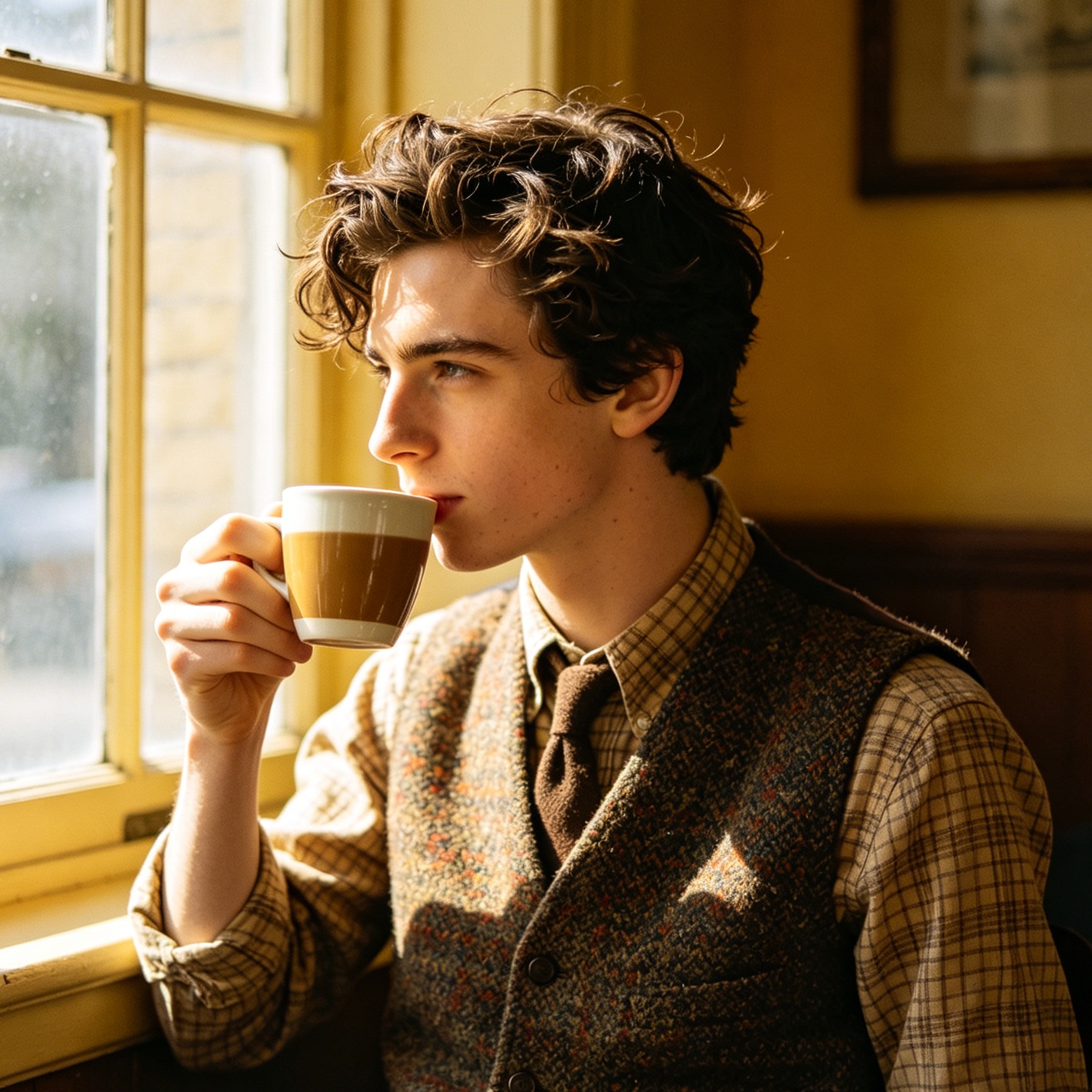
Irish cream represents a unique category of spirit drink that successfully bridges the gap between high-proof whiskey and rich, decadent dairy. At its core, it is a liqueur made from a blend of Irish whiskey, dairy cream, and various flavorings, typically ranging from 15% to 20% alcohol by volume (ABV). While many consumers associate it with a specific brand, the identity of this beverage is actually protected by international law, requiring strict adherence to production methods and geographical origins.
The Legal Definition and Geographical Protection
To understand what Irish cream is, one must first recognize its status as a Protected Geographical Indication (PGI). Within the European Union and the United Kingdom, the term "Irish cream" is not merely a flavor profile; it is a legal designation. According to technical specifications, the entire production process—from the initial mixing of ingredients to the final bottling—must take place on the island of Ireland, which includes both the Republic of Ireland and Northern Ireland.
This PGI status ensures that the product maintains a direct link to the Irish dairy industry and whiskey heritage. For a liqueur to be labeled as Irish cream, it must utilize Irish whiskey (which itself is a protected spirit) and fresh Irish cream. The use of the word "Irish" in this context is a guarantee of quality and origin, similar to how "Champagne" is reserved for sparkling wines from a specific region in France. If a cream liqueur is produced in the United States or mainland Europe, even if it uses a similar recipe, it cannot legally be called Irish cream; it must be labeled as a "cream liqueur."
The Ingredients: What Goes Into the Bottle
The composition of Irish cream is a marvel of food science. While recipes vary among manufacturers, the fundamental ingredients remain consistent.
1. Irish Whiskey
The backbone of the liqueur is Irish whiskey. Unlike Scotch, which is often peated and smoky, Irish whiskey is generally known for its smoothness and light, fruity, or floral notes. This characteristic makes it the perfect partner for dairy, as it provides a warm alcoholic kick without overwhelming the delicate cream flavors. The whiskey used must be distilled and aged on the island of Ireland.
2. Dairy Cream
The cream is the defining element of the texture. High-quality Irish dairy is renowned globally due to the grass-fed nature of Irish cattle. The cream used in these liqueurs must meet specific fat content standards to ensure the final product has that signature silky mouthfeel. Typically, the cream makes up a significant portion of the final volume, contributing to the drink's opaque, off-white appearance.
3. Sweeteners and Flavorings
Sugar is a critical component, acting not just as a sweetener but as a preservative and a balancing agent for the alcohol. Beyond sugar, most brands incorporate a blend of cocoa, vanilla, and sometimes coffee or caramel extracts. These additions create a complex flavor profile that resembles liquid dessert, with layers of chocolate and toasted sugar complementing the whiskey's oaky undertones.
4. Emulsifiers and Stabilizers
One of the most impressive aspects of Irish cream is that the alcohol and cream do not separate. Under normal circumstances, mixing high-proof alcohol with dairy would cause the cream to curdle. However, through the use of emulsifiers (often derived from vegetable oils) and a high-pressure homogenization process, the whiskey and cream are bonded at a molecular level. This allows the liqueur to remain stable at room temperature for long periods.
The Science of Production
The manufacturing of Irish cream is a sophisticated technical process. According to the industry technical files, there are two primary methods for obtaining this spirit drink: the "Single Stage" method and the "Two-Stage" process.
The Single Stage Method
In this approach, all ingredients—whiskey, cream, sugar, and flavorings—are introduced into a high-shear mixing environment simultaneously. The mixture is then passed through a homogenizer at extremely high pressure. This pressure breaks down the fat globules in the cream to a size smaller than one micron. By reducing the size of the fat particles to such a degree, the physical forces keeping them suspended in the liquid become stronger than the gravity pulling them to the surface. This creates a permanent emulsion.
The Two-Stage Process
The two-stage process involves creating a "cream base" first. The cream is stabilized with emulsifiers and sugar before the alcohol is introduced in a subsequent step. This method is often favored by producers who want finer control over the consistency and flavor integration. Regardless of the method, the goal is to produce a liquid that is smooth, uniform, and resistant to "fat plug" formation (where the cream hardens at the top of the bottle).
A Modern Invention, Not an Ancient Tradition
Despite its association with the "Old Country" and traditional Irish hospitality, Irish cream is a relatively modern invention. It did not emerge from the mists of Celtic history but rather from a marketing brief in the early 1970s.
In 1973, a creative agency in Dublin was tasked with developing a new export product that utilized two of Ireland’s surplus commodities: whiskey and cream. The result was the launch of Baileys Irish Cream in 1974. The success of this product was immediate, especially in the United Kingdom, the United States, and Canada. It carved out a entirely new category of spirits known as "user-friendly liqueurs"—drinks that were sweet, easy to consume, and lacked the harsh burn of traditional neat spirits.
Since then, dozens of other brands have entered the market, including Carolans, Saint Brendan’s, and Kerrygold. Each brand brings a slightly different tweak to the original formula, with some focusing on higher whiskey content and others emphasizing the richness of the dairy.
Tasting Notes and Sensory Profile
When you pour a glass of Irish cream, the first thing you notice is the appearance. It is typically the color of a latte or "coffee with milk," with a thick, viscous consistency that coats the side of the glass—a phenomenon known in the spirits world as "legs."
On the nose, the dominant aromas are cocoa, vanilla, and sweet cream. There is a subtle hint of grain and oak from the whiskey, but it is never aggressive. Some premium varieties may also exhibit notes of toasted nuts or honey.
Upon tasting, the texture is the star of the show. It is velvety and luxurious. The sweetness hits first, followed by the richness of the cream. The whiskey makes its appearance on the mid-palate, providing a gentle warmth that spreads through the chest. The finish is long and sweet, often leaving a lingering taste of chocolate or malt.
How to Drink and Use Irish Cream
The versatility of Irish cream is perhaps the greatest reason for its enduring popularity. It is one of the few alcoholic beverages that feels equally at home in a shot glass, a coffee mug, or a mixing bowl.
1. Neat or On the Rocks
The simplest way to enjoy Irish cream is to pour it over a few large cubes of ice. The cold temperature slightly thickens the liqueur, making it even more indulgent, while the melting ice slowly opens up the whiskey's aromatics.
2. In Coffee and Hot Drinks
This is perhaps the most common application. While "Irish Coffee" traditionally consists of hot coffee, Irish whiskey, sugar, and a head of floating cream, many people simplify the process by adding a splash of Irish cream liqueur to their morning or post-dinner brew. It acts as both the cream and the sweetener, with an added boozy bonus. It is also a popular addition to hot chocolate and lattes.
3. In Cocktails
Irish cream is a staple in the world of "dessert cocktails." Its density makes it perfect for layered shots and creamy mixed drinks.
- The B-52: A classic layered shot consisting of coffee liqueur, Irish cream, and orange liqueur (Grand Marnier). Because of the different sugar contents and densities, the liquids sit on top of each other in distinct stripes.
- The Mudslide: A decadent blend of vodka, coffee liqueur, and Irish cream, often shaken with ice or blended with vanilla ice cream for a boozy milkshake effect.
- The White Russian (Variation): While a traditional White Russian uses heavy cream, substituting half of the dairy with Irish cream adds a more complex flavor profile to the drink.
4. Culinary Applications
Because Irish cream is essentially a flavored, stabilized cream, it is a magnificent ingredient for baking and dessert making.
- Cheesecakes: Adding Irish cream to a cheesecake batter provides a subtle whiskey-chocolate undertone that pairs perfectly with a graham cracker or Oreo crust.
- Truffles and Ganache: Replacing a portion of the heavy cream in a chocolate ganache recipe with Irish cream creates sophisticated, boozy truffles.
- Whipped Cream: Folding a tablespoon of the liqueur into freshly whipped cream creates a perfect topping for pies and cakes.
Storage and Shelf Life
One of the most frequent questions regarding Irish cream is whether it needs to be refrigerated. Because of the high sugar content and the presence of alcohol, most commercial brands are shelf-stable and do not require refrigeration, even after opening. Most manufacturers guarantee a shelf life of 18 to 24 months from the date of production, regardless of whether the bottle has been opened, provided it is stored out of direct sunlight in a cool place.
However, for the best tasting experience, many connoisseurs recommend keeping an opened bottle in the fridge. The cold temperature preserves the freshness of the dairy notes and ensures the liqueur is ready to serve chilled. You should avoid storing Irish cream in the freezer, as the low temperatures can break the emulsion, leading to a gritty or separated texture when thawed.
Homemade vs. Commercial Irish Cream
While the commercial production involves high-tech homogenization, many people enjoy making "Irish cream" at home. Homemade versions typically use a base of sweetened condensed milk, heavy cream (or half-and-half), Irish whiskey, instant coffee, and chocolate syrup.
While delicious, homemade versions differ from commercial products in two major ways:
- Stability: Without industrial-grade homogenization, homemade Irish cream will eventually separate. It usually needs to be shaken vigorously before each use.
- Shelf Life: Because it lacks the sterile processing and precise stabilization of commercial brands, homemade Irish cream must be kept refrigerated and consumed within two to three weeks.
The Cultural Impact of Irish Cream
Irish cream has transformed from a 1970s marketing experiment into a global phenomenon. It is particularly popular during the holiday season, where its rich, warming qualities align with winter festivities. In markets like the US and Canada, it is a staple of Christmas and St. Patrick's Day celebrations.
Moreover, the success of Irish cream has led to a massive expansion in the "cream liqueur" category. Today, you can find cream liqueurs based on tequila, rum, and even bourbon, as well as dairy-free versions made from almond or coconut milk. Yet, despite this competition, the original Irish version remains the gold standard, protected by its PGI status and its unbreakable link to the lush pastures and historic distilleries of Ireland.
Summary of Key Facts
To summarize what Irish cream is, consider these defining traits:
- Origin: Must be produced on the island of Ireland to carry the name.
- Base: A combination of Irish whiskey and dairy cream.
- Alcohol Content: Usually between 15% and 20% ABV.
- Flavor: A sweet, creamy profile with notes of chocolate, vanilla, and whiskey.
- Technical Achievement: Uses homogenization to keep dairy and alcohol from separating without the need for refrigeration (though it is recommended for flavor).
Whether enjoyed in a cozy coffee by the fireplace or as a decadent ingredient in a gourmet dessert, Irish cream stands as a testament to the successful marriage of traditional Irish agriculture and modern food technology. It is more than just a sweet drink; it is a globally recognized symbol of Irish indulgence.
-
Topic: TECHNICAL FILE SETTING OUT THE SPECIFICATIONS WITH WHICH IRISH CREAM MUST COMPLYhttps://assets.publishing.service.gov.uk/media/5fd363a88fa8f54d5f67a7cb/pfn-irish-cream-technical-file.pdf
-
Topic: Irish creamhttps://en.wikipedia-on-ipfs.org/wiki/Irish_cream
-
Topic: About: Irish creamhttps://dbpedia.org/page/Irish_cream